

























































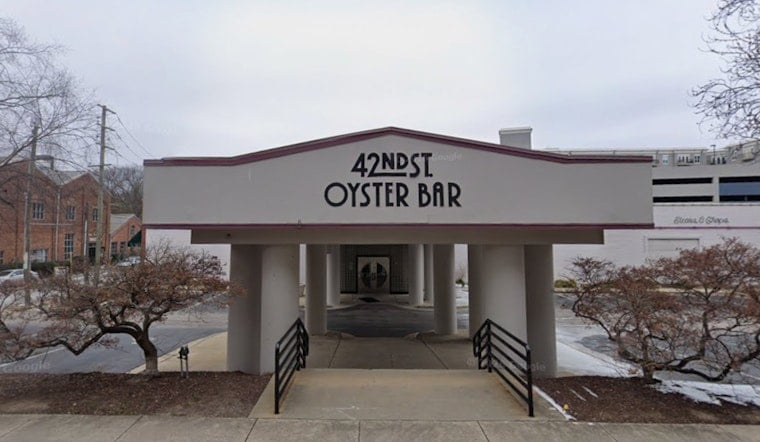
Downtown Raleigh’s longtime 42nd Street Oyster Bar, once a raucous late-night staple, still sits dark more than a year after it closed. The dining room is empty, the bar is quiet, and a storefront that used to hum with nightly crowds has gone still. For regulars who once packed the place, the silence feels like a small-city loss.
As reported by the Triangle Business Journal, the downtown spot has remained vacant since owners shuttered it last spring. The closure was first widely reported when the restaurant announced it would close at the end of March 2025. Locals and downtown workers told the Business Journal they still hope the shell of the space will be brought back to life.
Owners and revival plans
Longtime general manager Hunter Correll and chef Joe Rohrer were publicly linked to an effort to revive the restaurant under a new entity, 42nd Street Partners LLC, but public updates have been sparse. In November 2025, Correll told The News & Observer, “We’re working really hard on a new project in hopes of reopening 42nd Street Oyster Bar.”
WRAL reported that the ownership team included building owner John F. Holmes Jr. and Correll, while the landlord has said he is not directly running the project, which has left fans unsure when, or if, the restaurant will reopen.
Why the wait matters downtown
The empty storefront has become a quiet symbol of a changing downtown dining scene and has prompted an outpouring of memories online and in local newsletters. Readers shared stories of anniversaries, first dates, and family dinners in a piece compiled by RALtoday, underscoring how deeply the restaurant is woven into Raleigh’s social life. Local coverage and readers have repeatedly noted its outsized role in downtown culture.
For now, the future is unresolved. The new team has not published a firm reopening date, and the building’s landlord told The News & Observer that he is not personally running the revival. Whether the neon returns and oyster plates start circulating again depends on renovations, permitting, and whether the team can translate community goodwill into a workable plan. Until then, the empty dining room is a reminder that even beloved institutions can be fragile in a shifting restaurant market.





