

























































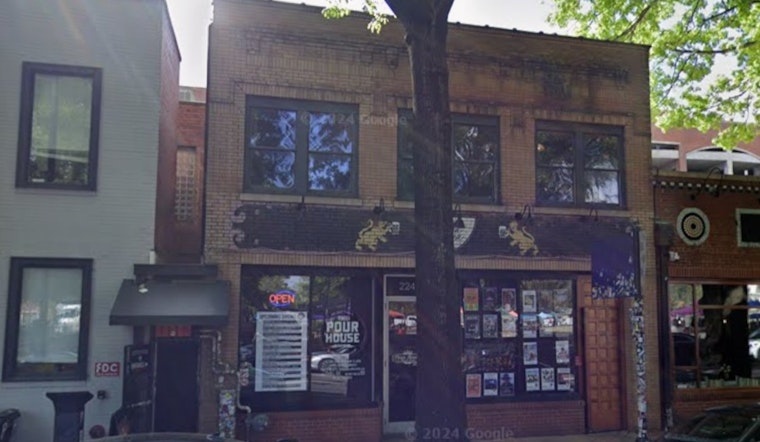
On a recent Wednesday at The Pour House in downtown Raleigh, club owners, local musicians and state lawmakers stood shoulder to shoulder behind a new North Carolina bill that takes aim at ticket resellers who jack up prices before fans even get a fair shot at seats. The proposal, nicknamed the Real Tickets, Real Fans Act, targets the tactics supporters say have gutted the odds for everyday concertgoers and left small venues scrambling against bots and murky resale listings.
What the bill would do
Filed as S.B. 849, the measure would add a new Article to Chapter 75 and require clear, up front disclosure of the full price of a ticket while outlawing several common reseller tactics, according to the NC General Assembly. The bill would bar speculative listings, ban the use of bots to dodge purchase limits, and force resellers and secondary exchanges to identify themselves clearly and link back to the primary ticket seller. It would also prohibit branding or language that suggests a venue or ticket issuer affiliation where none exists, create civil penalties for violations and set aside $250,000 so the Attorney General’s office can hire staff to enforce the rules.
Who’s backing it
Senate Arts Caucus co chair Jay Chaudhuri introduced the bill in late April, with Sen. Vickie Sawyer and Sen. Timothy Moffitt signed on as primary sponsors in a coalition that advocacy group Arts North Carolina says includes local presenters and independent venues, according to Arts North Carolina. Lawmakers, musicians and venue operators lined up a news conference at The Pour House to formally launch the push, WRAL reported.
Local voices
Arts North Carolina has cast the bill as a direct response to what it calls the “rampant gouging and cheating of patrons,” pointing to cases where fans shell out inflated prices for tickets that later turn out to be fraudulent or purely speculative, according to Arts North Carolina. Venue owners argue that those kinds of schemes do not just burn fans, they also siphon money away from artists and the small businesses that keep local live music scenes alive.
National context
The Raleigh push is unfolding against a national backdrop of frustration with ticketing practices after a federal jury concluded that Live Nation and Ticketmaster operated as an illegal monopoly and overcharged consumers, a verdict that has cranked up calls for industry reform in multiple states, according to CBS News. Supporters of bills like S.B. 849 say statehouse fixes are one way to protect fans while broader national changes move at a far slower pace.
Critics and concerns
Not everyone is cheering tighter rules on the secondary market. Skeptics warn that sweeping limits on resales can backfire, pushing deals into even less regulated corners of the internet or leaving untouched hot button issues like dynamic pricing on the primary market, a concern raised in an opinion piece from The Washington Post. Industry analysts argue that better price transparency and tougher enforcement against bots could address many of the worst abuses without wiping out legitimate resale options for fans who genuinely need to offload tickets.
Enforcement and next steps
If lawmakers pass the Real Tickets, Real Fans Act, violations would be treated as unfair trade practices and courts would be able to levy civil penalties and other relief, with new Attorney General staff funded to investigate potential violations, according to the bill text on the NC General Assembly site. The measure still faces the usual committee stops in the General Assembly, and lawmakers and venue advocates say they intend to push for quick hearings and close oversight of how any new enforcement powers are used if the bill becomes law.
For Raleigh fans used to watching tickets vanish in seconds, the proposal signals a growing appetite among local venues and state legislators to rewrite the rules around resale so regular concertgoers have a better chance at getting in the door. Expect plenty of debate in the coming weeks as the bill winds through the legislature and local presenters watch to see how any final version of the law plays out on the ground.



