

























































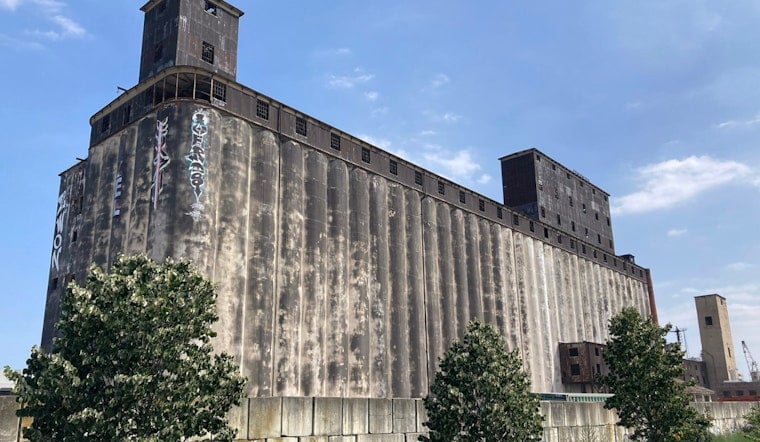
For nearly a century, the hulking concrete columns of the Red Hook Grain Terminal have loomed over Columbia Street, a kind of ghost fortress on the waterfront. Who actually guides this giant into its second century, though, is still anyone's guess, with long‑promised plans, regulatory fights and neighborhood skepticism keeping the future as hazy as the Gowanus Bay it overlooks.
Built in 1922, the Columbia Street elevator was an ambitious state project that never fully paid off and has sat largely idle for decades, becoming a visible landmark at the mouth of the Gowanus Canal, according to Wikipedia. The terminal and surrounding parcels folded into the Quadrozzi family's holdings in the late 1990s, and owner John Quadrozzi Jr. later floated a plan to reuse the silos as part of a concrete plant, an idea that required state approval and quickly ran into permitting hurdles, as reported by Brownstoner.
Quadrozzi's name shows up in multiple enforcement actions: the city sued him over Cobble Hill properties, and a 2013 stipulation set repair deadlines and penalties that later produced a judgment the city moved to enforce. Court records detail that the 2013 settlement included a $150,000 penalty and subsequent enforcement motions, according to Justia. Those same filings help explain why any large-scale sale or redevelopment of the grain terminal is more legally complicated than it might look from the street.
Sludge Plan Met Resistance
In 2012–13, Quadrozzi proposed taking treated dredge from the Gowanus Canal and using it to build out a confined disposal facility that would expand his pier and create new upland, according to The Real Deal. The idea landed with a thud in the neighborhood: neighbors and activists pushed back hard, and local coverage shows federal and city officials weighing logistical and community concerns before ultimately stepping back from placing the most contested material in Red Hook, as described by the Waterfront Alliance. The episode has since become shorthand in Red Hook for why any big waterfront scheme has to clear broad community acceptance before it can even think about getting off the drawing board.
Another Ship?
Every so often, Quadrozzi rolls out another big, public-facing concept, and the most eye-catching may have been his widely reported 2015 interest in mooring the SS United States at the terminal and converting the liner into offices, restaurants and museum space, according to Brooklyn Paper. The ship itself has charted a very different path: maritime reporting notes that the vessel was moved for remediation and that Okaloosa County is advancing plans to deploy it as an artificial reef off Florida, per USNI. A local feature published in May 2026 also quoted an anonymous source saying efforts to bring the liner to Red Hook were still “in motion,” though no formal plan or permit has surfaced, according to Red Hook Star‑Revue.
Legal and Regulatory Hang-Ups
On top of the grand ideas, there is the less glamorous reality of enforcement. State and city regulators have pursued penalties and corrective orders tied to fill and fence work on GBX property, as documented in administrative records and enforcement filings held by the state. The Department of Environmental Conservation's enforcement papers include proposed civil penalties and required corrective actions for Maspeth‑related operations, per NYSDEC, while municipal court filings outline the judgment and penalties tied to Quadrozzi's Cobble Hill properties in Justia. Put together, those open enforcement items and the fresh round of permitting any new project would trigger make for a long and expensive checklist before anyone can seriously buy or repurpose the site.
For now, the Red Hook Grain Terminal remains a concrete relic on the skyline and a cautionary tale on the waterfront. Big visions for Red Hook's edge have to clear more than neighborhood enthusiasm to become real. Whether the terminal's next act is industry, museum, park or simply a backdrop for photographers will come down to who can untangle the permits, resolve the enforcement issues and convince regulators and neighbors that the latest plan is built to last.





