

























































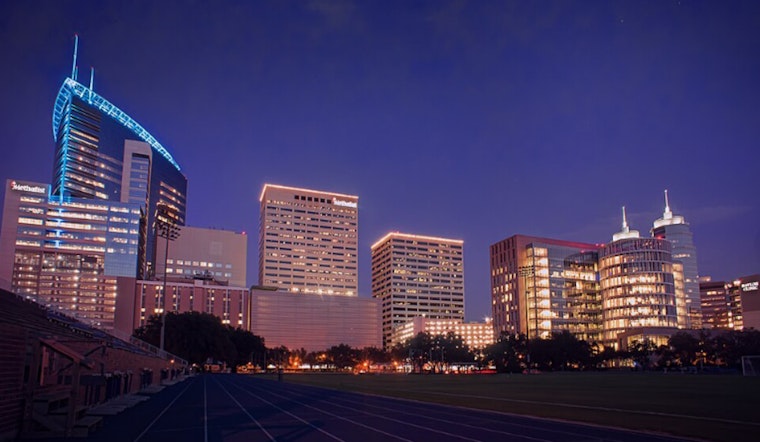
Renters are pouring into Texas in 2026, turning the Lone Star State into the country’s go-to landing spot for people looking to escape sky high coastal prices. A wave of new apartments, relatively lower advertised rents and solid job growth has made Houston, Dallas and Austin feel like value plays compared with the usual big ticket markets, and that shift is reshaping how renters, builders and city officials talk about housing across the state.
In a new migration analysis, Texas comes out on top with a net gain of roughly 72,680 renters this year. At the same time, domestic renter mobility has slid to about 21.6% from 26.7% in 2014, meaning fewer people are moving overall even as those who do are tilting hard toward the Sun Belt. The report links that pattern to affordability, abundant apartment supply and job opportunities, drawing on U.S. Census population data and rental metrics from Apartments.com.
Local outlets quickly zoomed in on what that means on the ground, especially in Houston. Coverage there leaned on the report’s line that “People are moving to the Sun Belt for a simple reason: it offers a rare mix of affordability, lifestyle, and opportunity,” and used it to underscore how national mobility is cooling even as Texas bucks the trend. As MySA noted, the surge is already showing up in leasing activity across major Texas metros.
City snapshots: Houston, Dallas and Austin
The metro level numbers help explain the draw. Houston is cited with an average advertised rent near $1,185 and a vacancy rate around 12.7%. Dallas comes in with an average rent near $1,402 and a 12.4% vacancy rate. Austin, long seen as the pricier outlier, is averaging about $1,387 with a 13.6% vacancy rate. Those relatively modest advertised rents, paired with elevated vacancies, are giving renters leverage and nudging them toward these markets instead of more expensive coastal cities. The city figures come from migration analysis and rent and vacancy data compiled by Apartments.com.
Local pressure and policy
All that inbound interest is colliding with long running fights over safety net programs and zoning rules. In Austin, officials have tightened the window for accessing the city’s rental assistance portal and shifted more money toward negotiated eviction settlements, a sign that limited dollars are being steered to tenants already on the brink. Dallas, meanwhile, is wrestling with a reported shortfall of tens of thousands of affordable rentals, adding fuel to an already heated debate over how and where to build new housing. Those moves show how statewide migration trends can intensify pressure on local eviction prevention efforts and land use decisions, as detailed in coverage of the slammed rental aid portal in Austin and Dallas City Hall’s looming showdown over sky high rents.
Industry research is lining up behind the same story line. Apartment List’s 2026 renter migration report found strong inbound search interest for Texas from states such as California and New York, indicating that the flow is both interstate and within Texas itself. The search based approach helps fill in the picture painted by Census style migration counts by showing where renters are actively hunting for their next place. Apartment List
Analysts caution that the balance could shift if renters quickly absorb the new supply or if migration loses steam, which would likely trim concessions and put upward pressure on rents again. CoStar Group’s new Apartments.com RentPulse index flags a clear regional split, with Sun Belt metros still working through a big pipeline of new units and offering deals while many coastal markets are already seeing sharper rent growth, a divide that developers and policymakers are watching closely. For now, though, Texas’s status as a renter magnet looks set to keep reshaping local housing debates and the strategies of builders eager to ride the wave. CoStar Group





