

























































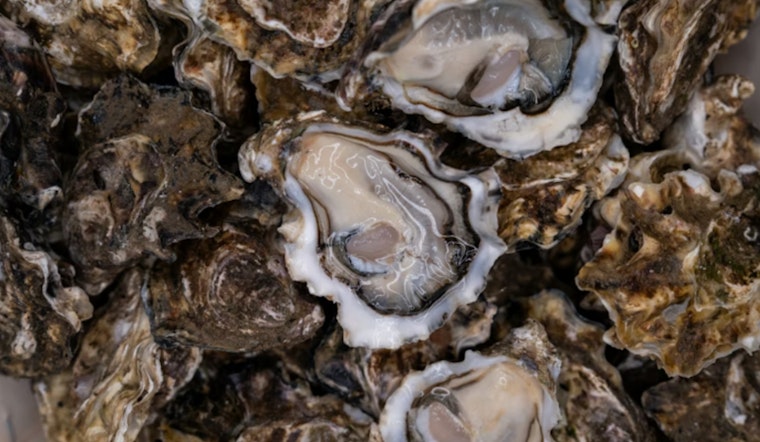
A rideshare run from the Seattle area to Hood Canal ended with citations instead of seafood, after state officers found roughly 500 oysters stashed in a parked minivan near Potlatch State Park.
According to officers with the Washington Department of Fish and Wildlife (WDFW), the group that hired the ride was harvesting oysters during an extreme low-tide weekend but failed to shuck them on the beach and blew past Washington's possession limits. Four adults were cited and the shellfish were removed, authorities said.
WDFW Police Sgt. Jewett spotted people loading buckets of shellfish from a public beach along Highway 101, then later stopped a minivan in a nearby lot, KOMO reported. The driver told officers the oysters were not his and that he was a hired rideshare driver. The people who had gathered the oysters remained on the beach before returning to the vehicle, according to the station.
In the end, four adults received citations for not having shellfish licenses, possessing unshucked oysters, having overlimit oysters and keeping undersized oysters.
What the rules require
For recreational harvesters, state law caps the take at 18 oysters per person. Oysters must be shucked on the tideland and the shells left at roughly the same tide height, and each oyster has to be at least 2.5 inches before it gets opened. Those rules are detailed in WAC 220-330-010.
Agencies say the shuck-and-leave rule is not just red tape. Leaving shells behind on the beach helps protect juvenile oysters and keeps popular shorelines producing for future harvesters.
What officers found
WDFW police pulled roughly 500 illegally harvested oysters from the minivan and seized them, according to KOMO. It has not been publicly disclosed whether any fines were issued on the spot, but penalties for unlawful shellfish harvesting can reach into the thousands of dollars, depending on how serious the violations are.
WDFW also pointed out in a social post that hauling unshucked oysters or shell material off the beach undercuts future oyster recruitment, effectively robbing the next wave of diggers.
Why enforcement is stepping up and how to stay legal
Spring low tides, combined with a spike in interest in recreational shellfishing, have triggered occasional emergency closures and extra patrols on Hood Canal beaches, according to WDFW.
The agency urges would-be harvesters to do a little homework before heading out: check beach seasons, buy a recreational shellfish license and review the Department of Health shellfish-safety map. Those steps, WDFW says, help protect public health and keep oyster beds viable for the long haul.
Takeaway
If you are planning an oyster dig, the legal checklist is straightforward. Buy a recreational shellfish license, know the 18-oyster daily limit, follow the minimum-size rule and shuck on the beach, leaving the shells where you found them.
The rules are spelled out in WAC 220-330-010, and violations fall under state fish-and-wildlife statutes. Local officers put it simply: shuck on the beach, leave the shells in place and do not move unshucked oysters off the tideland.





