

























































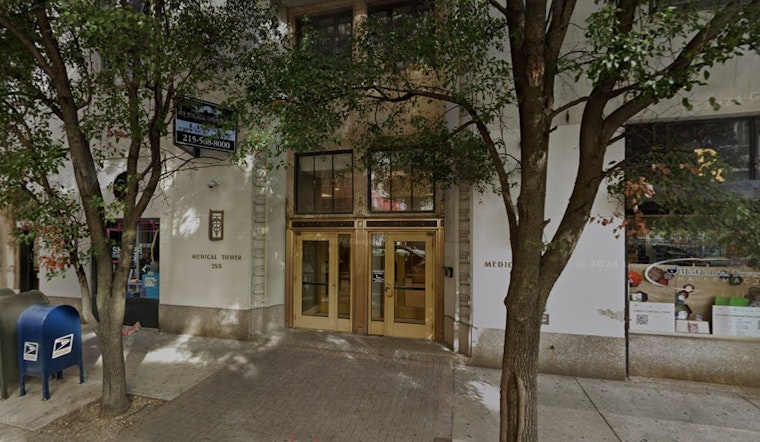
Philadelphia health officials are urging anyone who sat in the chair at the Smiles at Rittenhouse Square dental clinic to get tested for hepatitis B, hepatitis C and HIV after state regulators temporarily suspended the dentist’s license over unsanitary practices. The Center City office is shut down while the city tracks down patients who could have been exposed, and officials are looking for anyone who visited the clinic between April 2025 and May 2026.
According to the Philadelphia Department of Public Health, the Pennsylvania Department of State issued a temporary suspension of the dentist’s license last week. The Health Department says it believes the overall risk of infection is low and that no infections tied to the practice have been identified so far. The city’s release lists the clinic’s address as 255 South 17th Street, Suite 2507, and says staff will work with the practice to obtain a list of patients who might be at risk. Officials also plan to re-educate clinic staff on infection-control practices and will keep the doors closed until unsafe practices are fixed and the dentist’s license is restored.
The Health Department has also set up a hotline for nervous patients who want answers: 215-685-5488, available 8:30 a.m. to 5 p.m. Monday through Friday, as reported by NBC10 Philadelphia. The station notes the clinic is sometimes listed under a slightly different name, "Smiles on the Square," and that it has been closed since the license was suspended.
What Patients Should Do
The city plans to mail letters to patients identified in its records with step-by-step instructions on how to get tested, details about possible exposure and a letter they can hand to their own health care provider, according to the Philadelphia Department of Public Health. Those mailers will also list City clinics that can provide the recommended testing and other support.
Patients who are worried but do not receive a letter are encouraged to call the hotline or talk with their regular provider about getting tested. City officials stress that even with a low estimated risk, testing is the way to clear up any uncertainty.
How Infections Can Happen
Guidance from the Centers for Disease Control and Prevention notes that disease transmission in dental settings is uncommon, but it has happened when clinics skipped proper sterilization, mishandled instrument reprocessing or did not follow safe injection procedures. The CDC’s summary of infection-prevention practices lays out basic expectations for dental offices and explains why health departments move quickly when those standards appear to be ignored.
Similar breakdowns have triggered investigations elsewhere. In 2016, state officials in Tennessee told patients of a dentist to get tested after finding inadequate sterilization, according to The Seattle Times. Those kinds of probes often lead to letters warning patients, public advisories and disciplinary action against providers when violations are confirmed.
Regulatory Steps
City officials say the clinic will remain closed until the Health Department is satisfied that unsafe practices have been corrected and the dentist’s license has been reinstated. The Pennsylvania Department of State is also conducting a separate investigation into the case, according to NBC10 Philadelphia.
Anyone who visited Smiles at Rittenhouse Square between April 2025 and May 2026 and has not yet received a letter is urged to call 215-685-5488 or contact a health care provider to discuss testing. The Health Department says it will oversee staff re-education and other corrective steps before allowing the office to reopen, and patients with immediate concerns should use the hotline for guidance.



