

























































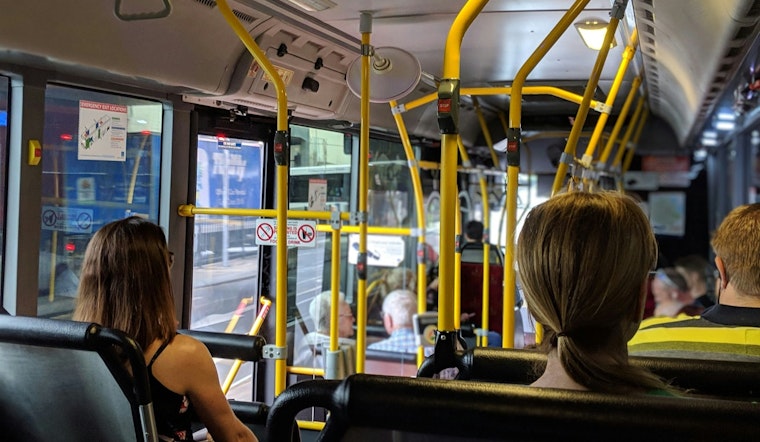
Rock Hill’s seven-year experiment with fare-free city buses may be nearing the end of the line, with riders potentially looking at about $2.50 a trip if a major overhaul moves forward.
City leaders are weighing a proposal to scrap the free, fixed-route My Ride buses and replace them with a reservation-based, pay-per-trip service. Officials say the shift is less about cashing in on fares and more about keeping something on the road at all, as the city’s electric fleet has been repeatedly sidelined by breakdowns and hard-to-find parts.
A public notice from My Ride Rock Hill lays out the plan: retire the fixed routes, move to a demand-response service operated by York County Access, and eliminate the My Ride Direct paratransit program. The city says limited access to critical parts has made the current model unsustainable. Under the proposal, riders would schedule pick-ups in advance and pay a small fare for each one-way trip. Residents have until Monday, May 11, 2026, to weigh in before the public comment period closes.
What Would Change
If the plan is adopted, those familiar green buses on fixed routes would give way to York County Access vehicles that riders must book ahead of time. The service requires reservations and charges a per-trip fare instead of allowing people to hop on and off for free.
Regional transit planning materials from RFATS show that York County Access currently charges $2.50 for a one-way ride, which means many Rock Hill residents who have gotten used to paying nothing could soon be opening their wallets. City staff say the new setup would ease pressure on capital budgets and maintenance crews while still giving workers and residents a way to get around.
Why Officials Say It’s Necessary
In its public notice, My Ride Rock Hill cites “limited access to necessary parts” as a key problem and argues that shifting to a demand-response provider is the most flexible short-term fix.
A big piece of the headache traces back to Proterra, the company that built Rock Hill’s electric buses. Proterra filed for Chapter 11 bankruptcy protection in 2023 and left transit agencies across the country scrambling for replacement parts, according to CBS News. City documents show that at times Rock Hill has had only a handful of operable buses, which has made it tough to reliably keep fixed routes on schedule.
Riders Warn Of Lost Access
Frequent riders and transit advocates say that what looks like a practical workaround on paper could feel very different on the street. They warn that the new system could push low-income workers and people with disabilities off the network by layering a fare on top of the uncertainty that comes with having to reserve every trip.
“It just gets overcrowded,” longtime My Ride user Pauline McCollough told South Carolina Public Radio, describing how smaller, on-demand vehicles can leave riders behind and turn basic errands like grocery runs or medical appointments into logistical puzzles. Transit advocates say a flat fare could technically be designed with discounts or protections for vulnerable riders but note that the city has not yet released a detailed equity plan.
How To Weigh In
The city has opened a 30-day public comment period and is asking residents to speak up before any final decision is made. Feedback can be submitted by email at [email protected], by phone at 803-329-RIDE (7433) option 9, or in person at meetings at City Hall, 155 Johnston Street.
More details, including the full text of the proposal, are available on the City of Rock Hill transportation planning page. City staff or council members will review the comments, and the next steps could include a formal vote on the changes or a revised plan based on what they hear from the public.





