

























































Russia used a fiery appearance at the U.N. Security Council on Tuesday to warn Latvia that it believes Ukraine is plotting to launch military drones from Latvian and other Baltic territory, and to hint that NATO membership might not protect those countries from payback. Latvia’s ambassador shot the claim down as a lie, the United States publicly dressed Moscow down, and a suspected Ukrainian drone was intercepted over Estonia the very same day, keeping nerves in the region on edge.
What Russia Told the U.N.
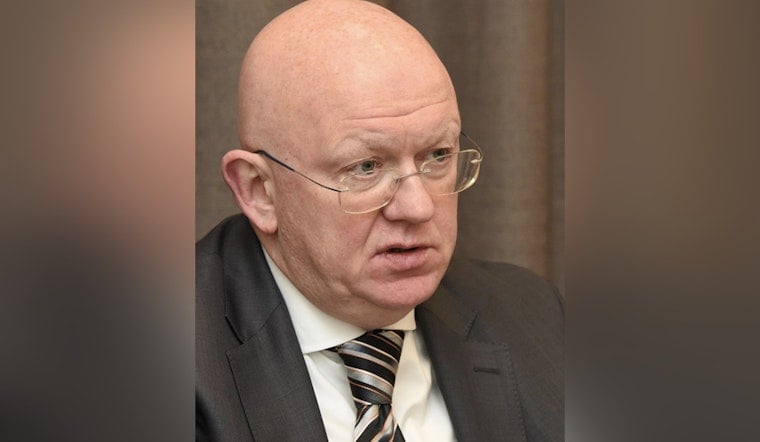
Russia’s U.N. ambassador, Vasily Nebenzya, told the Security Council that Moscow had intelligence saying Ukraine planned to launch military drones from Latvia and other Baltic states, and that Ukrainian drone units had already been sent into Latvia, as reported by Reuters. He warned that NATO membership would not necessarily shield those countries from retaliation, a pointed threat that immediately ratcheted up tensions in the chamber.
Latvia and the U.S. Push Back
Latvia’s U.N. permanent representative, Sanita Pavluta-Deslandes, blasted Nebenzya’s accusations as "pure fiction and pure lies" and urged council members not to get dragged into Moscow’s disinformation games, according to The Guardian. U.S. deputy ambassador Tammy Bruce responded just as sharply, saying "there is no place for threats against a council member" and reaffirming Washington’s commitment to NATO’s collective defense, a pointed rebuke also reported by The Guardian.
Drone Downed Over Estonia Raises the Stakes
On the same day as the Security Council clash, a NATO fighter jet shot down a suspected Ukrainian drone over southern Estonia after it crossed into Estonian airspace, the Associated Press reported, citing Estonian defence officials. Tallinn said a Romanian F‑16 took out the unmanned aircraft and that Ukraine apologized for what it called an "unintended incident" while NATO opened an investigation, per the AP.
Political Fallout at Home
The diplomatic dust-up comes on the heels of a political crisis in Riga. Prime Minister Evika Silina resigned earlier this month after a series of stray drones, including one that exploded at an oil storage site in Rezekne, and the government collapsed amid criticism that it had failed to plug air-defence gaps, the AP reported. "I am resigning, but I am not giving up," Silina said as she stepped down, according to the AP.
Why the Baltics Are on Edge
Allies say these incidents fit a pattern that has emerged since March, with some Ukrainian long-range strikes ending in drones straying into NATO territory. Kyiv and Baltic officials have pointed the finger at Russian electronic warfare, including GPS spoofing and jamming, for diverting some of the aircraft, as noted by Reuters. That mix of aggressive Russian tactics and high-tempo Ukrainian operations has left frontline NATO members scrambling to tighten their defences and press for clearer rules of engagement to avoid an accidental clash with Moscow.
Diplomats from New York to Baltic capitals now face a two-front challenge: beat back false narratives in the Security Council while making sure alliance air-defence networks and crisis hotlines hold up if there is a next time. How quickly Riga can restore confidence at home, and whether Moscow’s latest warnings ever turn into concrete moves on the ground, will be the key developments to watch.





.jpg)