

























































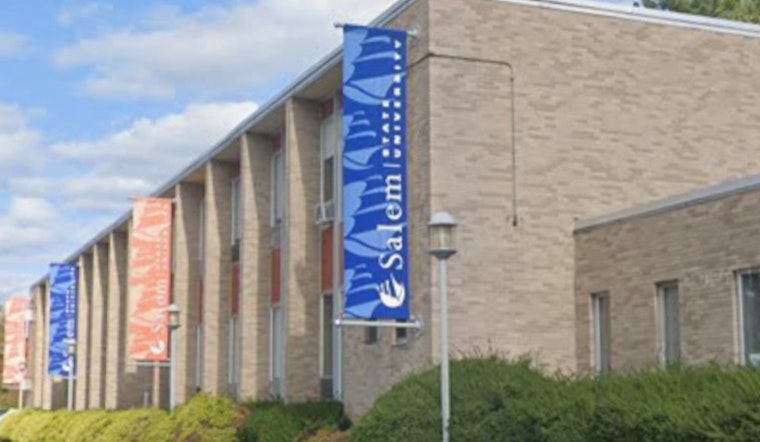
Salem’s planning board has signed off on the first major piece of the long-planned Forest River Residences, a 340-unit apartment building on Salem State University’s South Campus that will take over much of the land the university declared surplus. The approval moves the project out of pure design review and closer to site work, with developers and city staff saying construction could begin this summer if remaining permits and financing line up.
As first reported by the Boston Business Journal, the project follows a June 2024 purchase agreement that put AvalonBay Communities and WinnDevelopment in charge of redeveloping the South Campus. That reporting framed the 340-unit building as AvalonBay’s piece of a broader master plan that will roll out in phases.
What City Officials Approved
Planning board minutes from the City of Salem describe AvalonBay’s project as a single new building with 340 apartments, an above-grade parking garage with about 524 spaces, and two enclosed courtyards. The same records outline a companion WinnDevelopment plan that would adapt three historic campus buildings into roughly 145 units, many of them age-restricted, and summarize public comments focused on the project’s scale and the fate of those older structures.
According to the minutes, planners spent multiple sessions working through design details, stormwater management and traffic mitigation tied to the site’s conservation borders. Those conditions will carry forward into the permitting phase as the team moves toward actual construction.
Project Scale, Affordability And Open Space
The Forest River Residences website describes a buildout of roughly 475 apartments across the South Campus, with just over 30 percent of the homes designated as affordable and more than 100 units reserved for active adults 55 and older. The idea, developers say, is to mix market-rate and income-restricted housing while keeping older residents in the community.
Per the state’s Division of Capital Asset Management and Maintenance, AvalonBay and Winn were formally selected in June 2024 to redevelop parcels at Harrison Road and Loring Avenue into multifamily housing, with sale proceeds earmarked for Salem State’s campus modernization plan. State documents emphasize that the plan includes more than 15 acres of preserved open space, along with new trails and public access as part of the project’s community benefits.
What This Means For Salem State
Salem State is in the middle of consolidating into a single, modernized campus under its SSU BOLD plan, and the South Campus sale is a big part of paying for that shift. Board materials and public records show the university intends to use sale proceeds for capital upgrades tied to long-term infrastructure and enrollment needs.
According to Salem State Board of Trustees minutes, trustees had already identified AvalonBay and Winn as the preferred development team and discussed how money from the deal would support that broader campus strategy.
Timeline And Next Steps
The development is moving ahead under the city’s Smart Growth overlay, which requires a sequence of planning, conservation and design reviews before any building permits are issued. The Forest River Residences website lists an anticipated construction start in 2026, and the development team has told city staff it hopes to begin site work this summer, subject to final permits and financing.
Developers also plan to pursue low-income housing tax credits and historic-rehabilitation tax credits for the adaptive-reuse portions of the project. Those funding tools will help determine how the different phases roll out and in what order.
Legal And Zoning Notes
City filings and outreach materials show the project is being advanced under a Smart Growth 40R subdistrict, a state zoning mechanism that encourages denser housing in exchange for binding affordability commitments. Imagine Salem materials note that the state granted conditional final approval of the subdistrict in November 2025, clearing a major hurdle but still leaving conditions that must be met before full certification.
That mix of local approvals and state oversight opens the door to financial incentives while also requiring multiple administrative sign-offs before the full buildout can proceed. Neighbors at recent hearings raised concerns about the project’s scale, traffic impacts and preservation of Forest River trail connections, and city staff say those issues are being folded into mitigation measures and design conditions. City and state reviewers will continue to track compliance with affordability requirements, stormwater rules and historic-preservation standards as the project is phased in over the coming years.




