

























































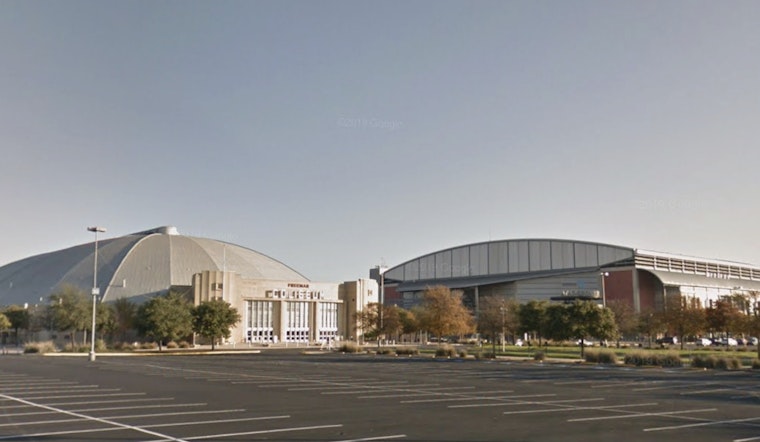
The San Antonio Stock Show & Rodeo is bucking hard against what its leaders call a county-backed “alternate vision” for the East Side, warning that a developer-driven makeover could box in the rodeo’s operations and choke off future growth. CEO Cody Davenport fired off a three-page letter to county officials arguing the proposal “chokes us out” and swaps a voter-approved, rodeo-first plan for a mixed-use layout steered by private developers. The clash has quickly turned into a very public argument over whether county leaders will stick to a narrowly approved ballot mandate or pivot to a larger commercial district around the Freeman and Frost Bank Center grounds.
Developer Pitch Packs In Hotels, Plazas And A ‘Metro Lagoon’
When the Coliseum Advisory Board went looking for a master developer, only one team stepped up: Hunt Development Group partnered with Lincoln Property Company. Their proposal calls for roughly 3.6 million square feet of hotels, retail, entertainment and park space built out over 15 years. Surface parking would give way to an “activated plaza,” music venues, a community center and a branded “Metro Lagoon” water park, along with long-term tools like a tax increment reinvestment zone and a county-tied parking authority to help pay for it all. The pitch is to transform the area into a walkable district that can attract overnight visitors and support events throughout the year, according to reporting by San Antonio Express-News.
The County’s RFQ Drew The Map Back In June
Bexar County set the ground rules in June 2025 when it issued a Coliseum-area request for qualifications seeking a master developer to rethink properties along Houston Street and Frost Bank Center Drive. The county asked for a blend of public amenities, flood-mitigation measures and private financing strategies. The RFQ lays out an Exclusive Negotiation Agreement timeline, public-input requirements and a preference for project structures that limit general-obligation debt while still funding needed infrastructure. Documents posted by the Freeman Coliseum instructed bidders to factor in structured parking, new livestock and rodeo facilities and other public assets as part of a long-term redevelopment plan (Freeman Coliseum RFQ).
Rodeo Boss Says Voters Did Not Get The Full Story
Davenport, who was front and center in the campaign for Propositions A and B, says he did not learn about the Hunt-Lincoln concept until after the November election and insists that the developer vision never appeared on the ballot language. “It chokes us out,” he wrote, arguing that wiping out surface lots and replacing them with tighter, highly activated plazas would clash with the wide staging areas, truck routes and temporary street closures that livestock operations rely on. In his letter to county leaders he urged officials to stick with a rodeo-first approach and preserve the operational flexibility he says voters thought they were approving, according to San Antonio Report.
What Voters Actually Approved In November
On Nov. 4, 2025, Bexar County voters narrowly agreed to two key venue-tax measures. Proposition A dedicates venue-tax dollars to upgrades at the Freeman Coliseum, Frost Bank Center and rodeo facilities. Proposition B allows venue-tax revenue to help fund a downtown arena for the Spurs. Final counts put support at roughly 56% for Prop A and about 52% for Prop B, locking in venue-tax commitments that supporters say are meant to support a year-round rodeo anchor on the East Side. As noted by mySanAntonio, those votes created the spending framework county leaders are now trying to translate into bricks, mortar and asphalt.
Big Money, Big Crowds And Tight Logistics
The rodeo is not just a nostalgic local tradition, it is a big economic engine. Rodeo officials and local coverage estimate the San Antonio Stock Show & Rodeo generates about $330 million in annual economic impact for the region, and county presentations and proclamations note that the grounds have hosted well over a million visitors in recent years. With numbers like that, Davenport is adamant that the event needs wide, unobstructed access routes, large staging zones for 18-wheel livestock trailers and the freedom to tweak traffic patterns during major runs. He argues that a dense mixed-use district threaded with internal streets would make all of that much harder. Those figures and concerns have surfaced in local reporting, including coverage by WOAI and in presentations captured during recent public meetings (Bexar County Commissioners Court video).
What Comes Next: Talks, Traffic Maps And Town Halls
The Coliseum Advisory Board has already voted to begin formal negotiations with the Hunt-Lincoln team. Developers say they expect to spend the next nine to twelve months sharpening a master plan and lining up a financing strategy that could roll out in phases. County leaders, backed by the RFQ language, are promising community engagement, public forums and detailed reporting as talks unfold, even as the development team weighs tools like a TIRZ to help fund roads and other infrastructure. As Texas Public Radio has reported, the coming year will likely decide whether the rodeo’s logistical demands can be woven into the developer’s urban vision.
For East Side residents and rodeo supporters, the ask is straightforward: they want firm guarantees that a voter-backed, rodeo-first promise will not be swapped out for plazas and interior streets that squeeze the arena’s core mission. County officials counter that private investment is crucial if the area is finally going to get the hotels and amenities it has long gone without. Expect more packed meetings, detailed site plans and a real-world test of whether Bexar County puts the voters’ mandate or a broader redevelopment blueprint in the driver’s seat.




