

























































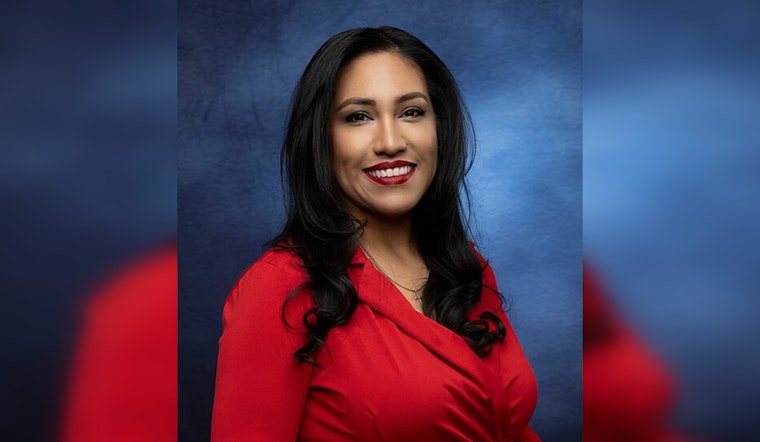
State Sen. Suzette Martinez Valladares (R-Santa Clarita) is moving a three-bill public safety package through Sacramento after the measures cleared their first committee hurdles this week. Together, the bills target human trafficking, extend court protections for child sexual-assault survivors, and ratchet up penalties for chronic illegal dumping.
Valladares' announcement and where the bills stand
In a news release from Sen. Valladares' office, the senator said her public safety package had advanced out of committee with bipartisan support and was headed deeper into the legislative process. The release outlined three measures: SB 1022, SB 1395 (known as Kayleigh's Law), and SB 1230, each drawing yes votes from both Republicans and Democrats during committee hearings.
Kayleigh’s Law: Longer protective orders
SB 1395, dubbed Kayleigh’s Law, was amended on May 14 to give judges more leeway at sentencing in certain child sex-abuse cases, according to the California Legislative Information site. In cases involving registerable sex offenses against minors, courts would be allowed to issue protective orders of up to 20 years.
The bill is named for survivor-advocate Kayleigh Kozak and lists the California Commission on the Status of Women and Girls as a co-sponsor. Backers argue that longer protective orders can spare survivors the ordeal of returning to court again and again to renew those protections, which they say can be retraumatizing.
MAST Act: Statewide anti-trafficking task force
SB 1022 would create the California Multidisciplinary Alliance to Stop Trafficking, or MAST, a statewide task force designed to pull multiple agencies into the same room rather than leave them siloed. The group would include state agencies, survivor representatives, and service providers to track trafficking patterns, identify gaps, and recommend statewide responses.
Under the bill, the task force would be required to meet at least four times and deliver an initial report to the governor, attorney general, and Legislature. Committee records indicate that SB 1022 drew bipartisan support and has been re-referred to the Senate Appropriations Committee for a closer look at the price tag. A hearing transcript is available through CalMatters, and the full text and status of the bill are posted on Legiscan.
SB 1230: Tougher fines and a CalRecycle hub
SB 1230 goes after illegal dumping, a perennial neighborhood headache that tends to flare up long after the TV cameras leave. The bill would increase escalating fines for repeat dumpers, boost penalties for businesses that unload commercial-scale trash, and require the Department of Resources Recycling and Recovery (CalRecycle) to run a centralized website.
According to the bill text, the CalRecycle hub would house enforcement tools, grant information, and best practices that local governments can use to crack down on problem sites. Local officials and advocacy groups have pushed for stronger enforcement, and the measure has already cleared the Senate Public Safety Committee. It now heads to the Senate Environmental Quality Committee for further hearings. The full language is posted on the California Legislative Information site, with local coverage from Signal SCV.
What comes next
All three bills cleared their first committee stops with bipartisan support, but none are on the governor's desk yet. Each still has to navigate Appropriations, policy committees like Environmental Quality, and ultimately the full Senate, where amendments and fiscal concerns could reshape key details.
Valladares framed the package as a straightforward public safety play in her release, arguing that these are concrete steps lawmakers can take now. The public hearing record, meanwhile, reflects a more layered debate, with both prosecutorial groups and civil-liberties organizations weighing in on how far the state should go. For a deeper dive into that back-and-forth, the committee proceedings are available via CalMatters.
Local reaction and debate
Supporters, including district attorney associations and survivor advocates, told lawmakers that the trio of bills addresses harms they see repeatedly on the ground and would tighten coordination among agencies that too often work in parallel instead of together.
Opponents raised alarms about the reach of longer protective orders and possible civil-liberties implications, concerns that are reflected in the public testimony. Valladares has consistently cast the package as a core function of government, writing that “Government's number one job is public safety,” while local outlets have tracked the bills' progress as they move through committee.





.jpg)