

























































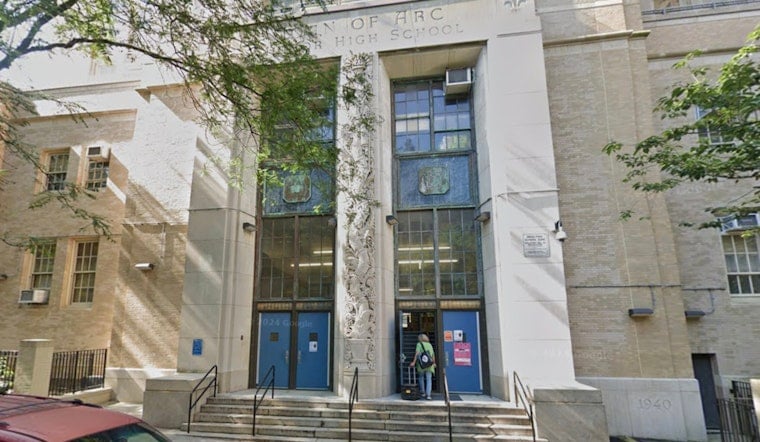
A city watchdog and fresh tabloid digging say breakdowns in Department of Education contracting helped a previously investigated teacher walk back into Manhattan classrooms last fall. The Special Commissioner of Investigation found patterns of split invoices and non‑DOE vendor deals at the district level that can let unvetted providers bypass formal procurement checks. The developments have put Chancellor Kamar Samuels and District 3 oversight under renewed scrutiny.
SCI review: district staff bypassed formal bidding
In a December 30, 2025 review, the Special Commissioner of Investigation concluded that school‑level purchases often skirted competitive bidding and Division of Contracts and Purchasing oversight, leaving room for vendors to split contracts or submit sham competitor bids. SCI singled out a substantiated case in which a District 3 deputy superintendent approved a $180,000 non‑bid negotiated services agreement with a non‑DOE contracted vendor, an arrangement investigators said circumvented required vetting and internal thresholds. According to the Special Commissioner of Investigation, those weaknesses are recurring and fixable with centralized oversight and training.
Reporting ties the contracts to a teacher placement
The New York Post reports that the vendor identified in the probe, Language Learning Network, led by Sean Kreyling, placed Ralph F. Franco at Manhattan School for Children in September 2024 while an earlier SCI inquiry had documented allegations that Franco engaged in inappropriate conduct with a 15‑year‑old student. The Post says emails and documents it reviewed show similar non‑DOE deals in District 3 and that some investigators recommended barring the vendor from future DOE work. The New York Post published the reporting and the underlying documents.
Why district approvals matter
Kamar Samuels led Manhattan’s District 3 beginning in 2022 and was named New York City schools chancellor on January 1, 2026, so the chain of approvals at the district level is a key oversight hinge for contracts signed while he was superintendent. The DOE’s procurement rules put much of the vetting for non‑contracted vendors at the school and district level and rely on FAMIS vendor IDs and DCP review to prevent duplicate or related‑party vendors from evading thresholds. See the DOE’s leadership page and New York City Department of Education for how those checks are supposed to work.
Vendor founder says he did not see red flags
According to reporting, Language Learning Network’s founder told the Post he did not have access to the DOE fingerprint system and never saw that Franco had been barred from city schools, and he said Franco’s license appeared to remain active. If accurate, those statements point to a gap between third‑party placements and the background‑check tools investigators expect vendors and schools to use when hiring. The New York Post reported those comments and reviewed related emails.
Watchdog urges tighter vetting
SCI’s procurement review urges the DOE to assign DCP personnel to vet non‑DOE‑contracted vendors, standardize sole‑source determinations, require independent verification of competing bids, and close loopholes that allow related entities to split work. The report warns that, without those reforms, schools remain vulnerable to bid‑rigging, fabricated bids, and vendors that exploit thresholds to avoid scrutiny. Special Commissioner of Investigation recommendations include mandatory training, centralized oversight, and FAMIS changes to make vendor histories more transparent.
What to watch next
Parents, council members and oversight officials will be watching whether the DOE adopts the procurement fixes SCI laid out and whether the department re‑examines contracts signed during the District 3 era. The DOE’s procurement policy shows the thresholds and approval steps that should have stopped non‑contracted vendors from supplying long‑term teachers; next steps may include administrative actions against vendors and tighter district oversight. For background on those rules, see New York City Department of Education.





