

























































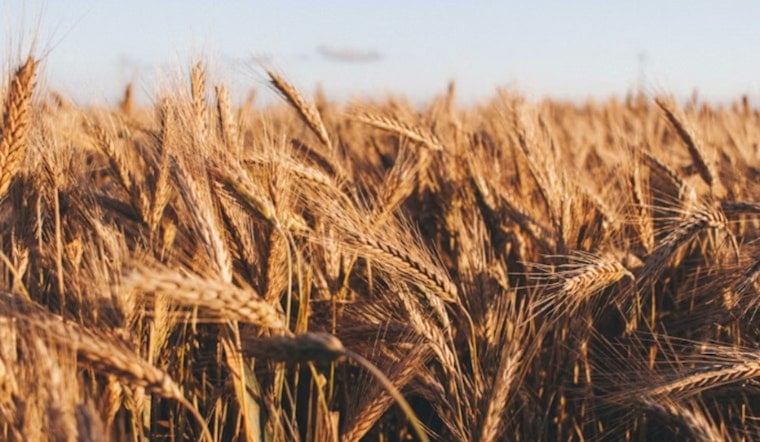
The USDA is warning that the next U.S. wheat harvest could be the leanest in more than half a century, and that is not great news for a state that ships in most of its food. The agency’s May supply update pegs all-wheat production for the 2026/27 marketing year at about 1.561 billion bushels, a drop big enough that, if it holds, would mark the smallest U.S. wheat harvest since 1972. The pain is centered in winter wheat, with hard red winter varieties seeing the steepest cuts after a bone-dry spring across the Plains. Grain markets jumped on the forecast, and the ripple effect could show up on grocery shelves and bakery racks that Hawaii residents already know are not cheap.
USDA Numbers And What They Mean
In its latest World Agricultural Supply and Demand Estimates, USDA put all-wheat production at 1,561 million bushels, which is roughly 424 million bushels less than last year’s crop. The report also nudged the projected season-average farm price to about $6.50 per bushel. USDA projected that winter wheat production alone would fall by around 25% from a year earlier, with hard red winter wheat taking a particularly sharp hit. Those figures are laid out in the May WASDE from USDA.
Market Reaction
Traders did not wait around to react. Wheat futures in Chicago raced to their daily trading limits, and other U.S. wheat contracts also spiked as markets quickly priced in the tighter supply outlook. Across the Atlantic, European milling wheat contracts in Paris climbed on the same news. Coverage highlighted the limit-up action on U.S. exchanges and the sharp gains on Euronext, including reporting by Farm Progress and Investing.com.
Why Production Dropped
USDA data and on-the-ground reports trace the smaller winter wheat crop to a harsh spring drought across broad stretches of the Plains combined with sharply higher input costs. National crop-condition scores show winter wheat ratings sitting at low levels for this point in the season, a classic warning sign of yield stress in major producing states. Analysts and trade observers also connect some farmers’ planting and spending choices to more expensive fuel and fertilizer, which have been linked to disruptions in shipping routes through the Middle East. For the condition tables and context, see Crop Progress data from USDA and international market coverage from The Guardian.
What It Could Mean Locally
When U.S. wheat supplies tighten and global fuel and freight costs climb, the impact often filters into the prices of flour, bread, noodles and a long list of processed foods. That chain of events matters in Hawaii, where imported staples are a fact of life and any bump in shipping or commodity costs can show up quickly in store aisles and bakery cases. Local coverage picked up on the USDA outlook after the national release and flagged the potential for higher costs to reach island shoppers and food businesses. For that local perspective, see the reporting from the Honolulu Star-Advertiser.





