

























































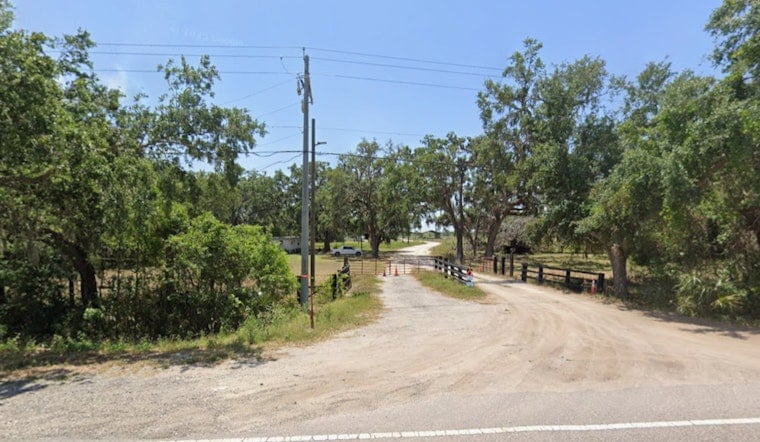
Out on the quiet roads outside Plant City, a rural spread called Rancho Los Arados has turned into what neighbors say is an unofficial concert grounds that shakes homes, clogs gravel roads and keeps families up at night. Residents describe towering stacks of speakers, food vendors and lines of cars stretching along narrow country lanes. A judge briefly blocked Hillsborough County from enforcing its rules on the site, but neighbors say the music has not stopped.
Hillsborough County records and on-the-ground reporting show sheriff's deputies have been called to the property roughly 30 times since 2022 for noise complaints, domestic incidents and other emergencies. Neighbors have captured videos of music they say can be heard from up to a mile away, along with photos of multiple stages and rows of portable toilets, as reported by Tampa Bay 28. "The sound from this thing carries for miles away," resident Mo Suarez told the station. Neighbors say the concerts often run late into the night and that the hectic exits leave them worried about drunk or speeding drivers heading back out onto the dark country roads.
How Florida's agritourism law shields events
A state law revised in 2013 sharply limits how much local governments can regulate "agritourism activities" on land classified as agricultural. It blocks many local rules on inspections, day-to-day operations and even some noise issues. The statute was written to prevent overlapping regulation of farms that open their land to the public, and its wording now sits at the center of questions about whether large music events can claim the same protection as pumpkin patches and hayrides. The bill text and summaries are posted by the Florida Senate for readers who want to comb through the legal language.
Neighbors say the site operates like a concert ground
Neighbors and court records say Rancho Los Arados received an agricultural classification from the Hillsborough County Property Appraiser, with application photos showing cattle on the parcel. The owner points to that designation in defending the events. Michelle Welch, chair of the Florida Agritourism Association and one of the law's authors, told reporters that "we never intended that" the statute would be used to justify large-scale concerts and that counties should still be able to tackle off-site impacts such as traffic and noise, according to Tampa Bay 28. Court filings show the county's earlier citation against the property was overturned in circuit court, and the county says it is now appealing that ruling to the Second District Court of Appeal while events continue on the ground.
What local officials can, and cannot, enforce
Hillsborough County explains that its code-enforcement authority applies to unincorporated parts of the county and directs residents to specific departments for noise, safety and property issues. A county noise program and the Environmental Protection Commission oversee certain regulated noise sources. County materials note that municipal rules differ, so whether a county ordinance applies depends on whether a property sits inside a city such as Plant City or out in unincorporated land. That patchwork of jurisdictions, combined with the agritourism statute's preemption language, helps explain why neighbors say deputies often end up telling organizers only to lower the volume. The county's overview of codes and enforcement lays out those limits in more formal terms.
Next Sunday’s show and the scene on the ground
Event listings show a multi-band concert booked at the property next Sunday, with tickets running about $70 each on ticketing sites. Listings on Ticketon and EventMania show regional Mexican and norteño acts on the bill and indicate that thousands of attendees are expected. Neighbors who recently gathered to compare notes say they plan to keep documenting sound levels and calling authorities as the legal fight grinds on.
Legal implications for neighbors and officials
The combination of an agricultural classification and state-level preemption leaves neighbors with limited options unless the appeals court changes how the law is interpreted, a process that can take months. Local attorneys note that counties can still go after off-site impacts such as parking problems, traffic control and certain public-safety issues, although those tools often require careful coordination among agencies and can be slow to roll out. For now, residents say their practical fixes are noise-cancelling windows, meticulous documentation of each event and a steady stream of complaints to county offices.
Whether the appeals court ultimately reins in the concerts or upholds the venue's protection under agritourism law, the dispute puts a spotlight on a broader Florida question: how to protect genuine farming operations while dealing with event-heavy businesses in rural neighborhoods. Neighbors say they will keep counting cars and recording sound until the courts or state lawmakers deliver a clearer answer.



