

























































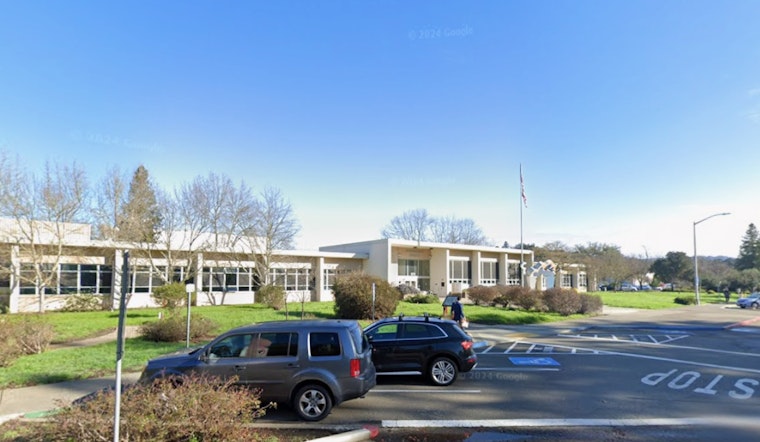
Sonoma County is once again trying to keep its green-bin scraps close to home, reviving a long-running plan for a commercial composting facility on county-owned land near the Charles M. Schulz-Sonoma County Airport. The project would restore in-county processing that disappeared when a high-volume local operation shut down in 2015, and county staff say bringing the work back inside Sonoma could cut truck traffic and greenhouse gas emissions tied to hauling green waste out of the area.
What the county authorized
On April 28, the Board of Supervisors signed off on the next major step, authorizing staff to start environmental review under CEQA and NEPA for a proposed compost facility atop the closed airport landfill and to hire an environmental consultant. According to the county’s Legistar, staff recommended awarding the environmental contract to RCH Group for up to $1,180,000 and kicking off public outreach this spring. County documents describe a covered aerated static-pile system that would take in roughly 65,000 to 70,000 tons of residential green-bin material each year, which officials say represents about 80 percent of the county’s compostable waste.
Public meetings and outreach
The county and Zero Waste Sonoma are hosting open-house meetings today from 5 to 7 PM and on Saturday from noon to 2 PM at the Zero Waste Sonoma boardroom in Santa Rosa, with Spanish translators available. Project materials, technical findings and chances to weigh in will be on display at those sessions as part of the initial outreach push. Staff say community feedback from these meetings will be folded into the CEQA review and the eventual permit design.
Why a local plant matters
Since the county’s last commercial compost operation shut down in 2015, most green-bin material has been trucked to facilities in neighboring counties, a workaround that has added cost and emissions for ratepayers and local haulers. The Slusser Road proposal aims to keep about 70,000 tons of residential material in Sonoma each year, reducing long-haul trucking and reestablishing a local source of finished compost for farms and landscapers. Those dynamics, along with rising demand created by California’s SB 1383 organics rules, are central to why county leaders are pushing ahead now, The Press Democrat reports.
Past legal fight
The new push comes with some legal history attached. A 2015 federal Clean Water Act lawsuit accused runoff from the prior operations of polluting nearby Stemple Creek and helped drive the closure of the old facility. Industry reporting and regulatory records showed that neighbors' litigation and related legal work cost ratepayers more than $1.1 million, and that experience is clearly shaping the current emphasis on covered systems and zero-discharge contact-water measures. Permit reviewers and community groups are expected to closely scrutinize water-management and odor controls as the project moves forward, according to coverage by Waste Dive.
What happens next
Project documents indicate that 30 percent of the design work has been completed and that draft CEQA documents are slated for preparation this year, with final CEQA action and additional Board decisions expected in 2027, according to the county’s Legistar. The county anticipates pursuing a public-private partnership to finance construction and operation and estimates that, at full throughput, the facility could eliminate roughly 300,000 to 350,000 route miles of hauling per year. If environmental review stays on schedule, NEPA coordination with the Federal Aviation Administration will also be required because of the site’s proximity to the airport.
County staff stress that no operator has been selected and that no construction schedule is set in stone. Public input at the May outreach meetings and during the CEQA review will help shape permitting, operator selection and financing. Project materials and a method for submitting comments are available through the county and Zero Waste Sonoma channels as outreach continues.





