

























































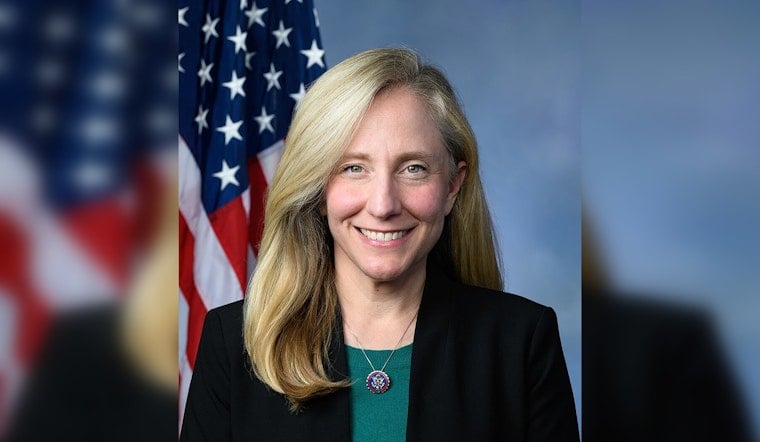
Gov. Abigail Spanberger on Thursday vetoed a pair of bills that would have lifted Virginia’s longstanding ban on collective bargaining for most public employees, halting a labor push that had been years in the making. Labor leaders say the move breaks a campaign promise, while local officials counter that it shields already strained municipal budgets. The measures, HB 1263 and SB 378, had cleared the Democratic-controlled General Assembly earlier this year and would have set up a statewide system for unionization in schools, state agencies and home-care services. With one signature, Spanberger has now turned the fight into a test of who pays for public services and how quickly Richmond should change the rules.
What the bills would have done
The two bills would have repealed Virginia’s prohibition on collective bargaining in the public sector and created a new Public Employee Relations Board along with a Virginia Home Care Council to oversee certification and bargaining, according to the enrolled bill text on LegiScan. Together, they laid out a statewide system for organizing elections, defining bargaining units and negotiating binding agreements, while still requiring local governing bodies to approve any contract that affected their budgets. Virginia Mercury first detailed the governor’s veto and the months of back and forth that led up to it.
Spanberger’s reasoning
Spanberger has said she backs the basic idea of giving public employees a stronger voice, but she objected to how and when this particular plan would roll out. She argued the bills needed a slower, phased approach that matched local budget calendars more clearly. As reported by Courthouse News, the governor told lawmakers she had proposed amendments to launch bargaining first for state workers and home-care providers and to give cities and counties more time to prepare. Legislators rejected those changes. Coverage from Axios also noted that Spanberger wanted to delay several key implementation steps and adjust how the new board would function.
Union response
Organized labor’s reaction was swift and furious. Union groups that had spent years organizing public employees accused Spanberger of walking away from a core commitment. The American Federation of State, County and Municipal Employees blasted the veto in a May statement as a broken promise to public workers, and the Virginia Education Association issued a similar denunciation. Kurt Detrick, incoming president of the Virginia Professional Fire Fighters, went further, calling the veto “an absolute act of betrayal,” according to Courthouse News.
Local leaders and Republicans welcome the veto
Some county leaders and Republican lawmakers applauded Spanberger’s decision, arguing that a one-size-fits-all bargaining mandate would have driven up costs for local governments that are already squeezed. “This bill would have driven up local taxes unsustainably,” House Minority Leader Terry Kilgore said, according to WTVR. The Virginia Association of Counties, which had pushed Spanberger to veto the final version, said about 70 percent of counties passed resolutions opposing the statewide requirement, as noted by VACo.
Money and implementation questions
Behind the political drama sat some sobering spreadsheets. Budget analysts flagged significant up-front and ongoing costs linked to creating the new board and supporting bargaining across state agencies and local governments. The Department of Planning and Budget’s fiscal review projected initial state implementation and IT expenses in the tens of millions of dollars, with total first-year impacts at roughly 53 million dollars and recurring costs after that. Those figures fed concerns about how much of the tab might land on local taxpayers. The detailed estimates are laid out in the DPB analysis.
What happens next
With the veto in place, the General Assembly’s options are limited but politically charged. Lawmakers could attempt to override Spanberger, a move that would require a two-thirds vote of members present in each chamber under the state constitution. The process is spelled out in Article V, Section 6. If an override effort falls short or never materializes, legislators can rework the plan and try again in a future session. Unions and many Democratic lawmakers are expected to keep pressing the issue, weighing whether to gamble on an override or regroup around a revised package that could secure the governor’s signature next time around.




