

























































St. Louis Fed President Alberto Musalem is turning up the volume on inflation worries, warning Wednesday that the balance of risks facing the Federal Reserve has shifted toward prices staying too hot. His takeaway for interest rates: policymakers may need to keep borrowing costs parked where they are until inflation is clearly headed back to the Fed’s 2% goal. That message puts him squarely in the growing camp of officials signaling that rate cuts are unlikely anytime soon.
Musalem's Message to Bankers
Speaking to the Mississippi Bankers Association, Musalem did not sugarcoat the numbers. He said that "inflation is running meaningfully above our target" and that "risks have been shifting towards more risks on the inflation side," highlighting the stubborn price pressures still running through the U.S. economy, as reported by Reuters. He added that there were "plausible scenarios" where the Fed could either cut or hike rates, but, for now, the incoming data argue for a patient, cautious stance.
PCE Keeps Inflation Elevated
The Fed’s preferred inflation gauge, the Personal Consumption Expenditures price index, rose 3.5% year over year in March, with core PCE that strips out food and energy running at 3.2%, according to the Bureau of Economic Analysis. With readings still well above the 2% target, officials have been in no rush to hint that easier policy is coming soon.
Markets See a Longer Pause
With the federal funds target range holding at 3.50%–3.75%, traders have steadily pushed their expectations for the first rate cuts out into 2027, a repricing that Musalem’s comments helped reinforce, Reuters found. That stance effectively builds in a longer stretch of higher borrowing costs for businesses and households until inflation shows more convincing signs of cooling.
Why the St. Louis Connection Matters
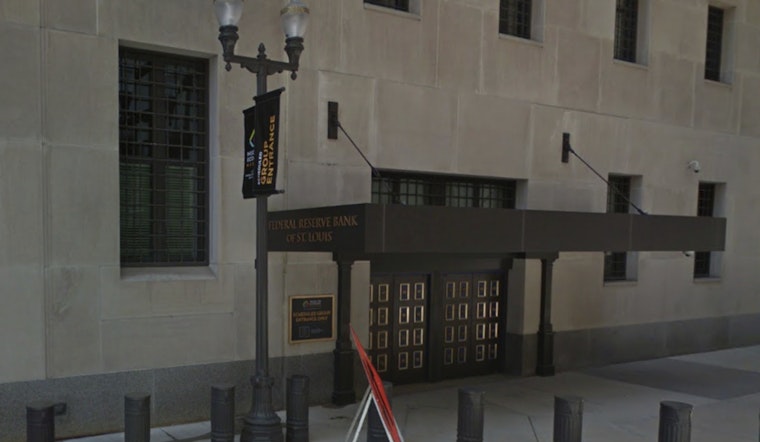
Musalem serves as president and CEO of the Federal Reserve Bank of St. Louis, which covers the Eighth District and feeds local banking and business conditions into the national policy conversation, as the bank explains on its site. His outreach to groups such as regional bankers gives them a front-row view of how Fed officials are weighing inflation, employment and growth when the policy outlook is finely balanced.
For St. Louis area banks, small businesses and homeowners, a “longer for higher” scenario means mortgage rates and other loan costs are likely to stay elevated while input-price pressures linger. Until the inflation and employment data send a clearer signal, Musalem’s message suggests the Fed is content to sit tight and wait.





