

























































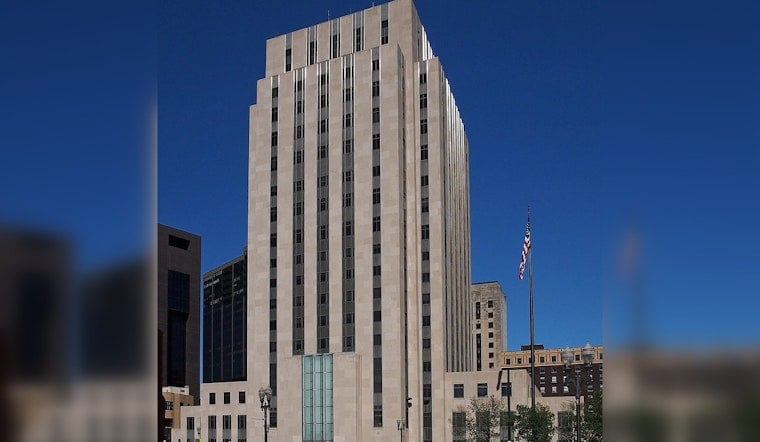
Saint Paul is lining up a temporary break for dozens of service and nightlife businesses, giving some merchants extra time to pay city business-license renewals into 2026 after a winter of federal enforcement activity and a disruptive municipal cyberattack. City leaders say the move is meant to buy time for smaller operators that saw staffing and revenue drop while renewal notices were delayed last year.
What the ordinance would do
The draft ordinance (Ord 26-26) would amend Chapter 310 so that Class N license renewal fees could be paid up to six months past their due dates in calendar year 2026. The legislation states, "Except, in the calendar year 2026, all Class N license renewal fees may be paid up to six (6) months from the date such fees are due." As long as 2025 or 2026 renewal fees are paid within 2026, the measure would waive late-fee penalties. Any fees left unpaid after Dec. 31, 2026, would once again be subject to late charges and could provide a basis for adverse action, as outlined in the city’s Legistar file.
Why now: Metro Surge and a cyberattack
City officials say the change responds to two hits that landed in quick succession: federal Operation Metro Surge enforcement that local leaders argue hurt foot traffic and staffing, and a July 2025 city cyberattack that disrupted license-renewal mailings. An amended court filing and local analyses put combined business losses across Minneapolis and St. Paul at roughly $610 million, with about $240 million in lost worker wages, according to CBS Minnesota. Minneapolis has already carved out $7 million for a Small Business Resiliency Fund to support affected merchants, per the City of Minneapolis.
Who it would help
City documents list dozens of Class N license types that would qualify for the extra payment flexibility. Examples include auto-body shops, motor-vehicle dealers, health and sport clubs, massage centers and currency exchanges. The ordinance staff memo includes a sample fee table that shows how multiple permits at one address can quickly stack up, with some large club and liquor categories running in the low thousands of dollars per year. For the full list and sample fees, see the ordinance attachment on the city docket via Legistar.
Local reaction and next steps
Small-business advocates and councilmembers pushed for relief after hearing from neighborhood owners, and Council President Rebecca Noecker has warned that many establishments hold multiple licenses and face what she has described as "stacked costs." Angie Wiese, director of the Department of Safety and Inspections, told MyVillager that, if the measure passes, Class N licensees would be able to pay fees by the end of the year without facing adverse action. The council is set to hold a public hearing on the proposal at 3:30 p.m. on May 6, and it could vote as soon as May 13, according to that reporting.
Legal implications
The ordinance would temporarily suspend the city’s usual 60-day nonpayment window for Class N license renewals in 2026, although it does not erase the underlying debt. Renewal fees that are still unpaid on Jan. 1, 2027, would again be subject to late penalties and could form the basis for revocation or other adverse action under the city’s licensing code. In practice, the change is designed to give businesses breathing room to rebuild revenue and rehire staff while keeping the city’s enforcement tools in place if fees remain unpaid after the extended deadline.
If the council approves the measure, it would take effect 30 days after passage and publication. For now, the push reflects local leaders’ efforts to keep neighborhood storefronts and nightlife venues open while the region continues to recover from enforcement-related disruption and the fallout of last year’s cyberattack. A final vote will determine how many operators get that reprieve and how quickly the city shifts from short-term relief to longer-range recovery programs.





