

























































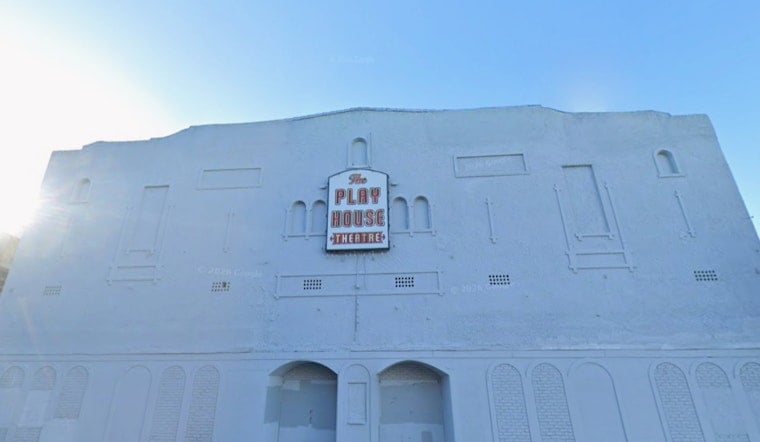
A long-quiet stretch of St. Petersburg's Grand Central District may finally be getting a second act, and it is not another nightclub or theater. A Tampa-based affordable-housing developer wants to drop a 12-story, 150-unit apartment tower on the site of the long-vacant Playhouse Theatre and the closed Morph Nightclub, pitching one of the bigger all-affordable projects the downtown area has seen in years.
The project, called JR Tower, would rise on roughly 0.61 acres near Central Avenue and focus on one- and two-bedroom apartments reserved for lower-income and workforce households. If it secures funding and approvals, it would rank among the larger exclusively affordable developments proposed near downtown St. Petersburg in recent memory.
What JR Tower Would Bring
Developer Blue Sky Communities is floating a 12-story building with about 150 apartments stacked over roughly 3,000 square feet of ground-floor commercial space, as reported by Florida YIMBY. The plan centers on one- and two-bedroom layouts and is billed as providing long-term affordability, with pricing that aims deeper than many of the market-rate and mixed-income towers that have dominated downtown's recent growth.
A Pricey Corner With A Long Pause
The tower site pulls together parcels at 1850 Central Avenue and 1833 1st Avenue South, which are being marketed as a single package. Commercial listing records indicate the Playhouse portfolio last changed hands in June 2021 for roughly $2.7 million, and the current contract price is about $6.25 million, according to TotalCommercial. That jump in value helps explain why a long-idle block has suddenly become a prime candidate for redevelopment.
The Team Behind The Pitch
Blue Sky Communities, based in Tampa, has built a string of subsidized and workforce housing projects across the region and lists several completed St. Petersburg properties on its website. The firm highlights its experience with low-income housing tax credits and partnerships with local governments and non-profits. That resume is central to its argument that JR Tower can lock in permanent affordability while tapping public funding sources that are critical for below-market projects penciling out.
How The Numbers Stack Up
The development team is presenting JR Tower as roughly a $53 million effort with layered financing that could include about $25 million in tax-credit equity and around $11.4 million in subordinate debt, per reporting by St. Pete Rising. Scott Macdonald, Blue Sky's executive vice president and CFO, told St. Pete Rising, "Getting affordable and workforce housing in downtown St. Pete is becoming increasingly difficult so this is an opportunity that doesn't present itself often." That same reporting outlines the unit mix and tentative construction schedule the team hopes to pursue if it can clear the usual financing and approval hurdles.
Who Could Live There, And How It Fits Policy
The proposal would reserve apartments across several area median income, or AMI, tiers, targeting extremely low-income households and households at 30, 60, and 80 percent of AMI. The idea is to reach both residents with the deepest housing needs and working families who are increasingly priced out of new downtown buildings.
Local planners and housing advocates have leaned heavily on countywide and regional tools that define these AMI tiers and guide where subsidy dollars land. For a sense of how local governments are trying to coordinate production of similar projects in Pinellas County, including through the Advantage Pinellas housing compact and recent developments, see coverage by 83 Degrees Media.
What Happens Next
The developer has signaled an intent to close on the site in March 2027 and is aiming to break ground sometime in 2027 if it can secure tax-credit allocations and other funding, although the exact timetable will depend on financing cycles, permitting, and community review. Neighbors and preservation-minded residents are expected to watch closely. The Playhouse building does not have a current historic designation, which removes one potential legal roadblock to demolition but can still fuel debate over what should replace it.
For now, JR Tower remains a proposal with a clearly stated affordability goal, and the next chapters will look very familiar to anyone who follows affordable housing: permit applications, public notices, competitive funding rounds, and a long wait to see whether the numbers line up strongly enough for the project to rise.




