

























































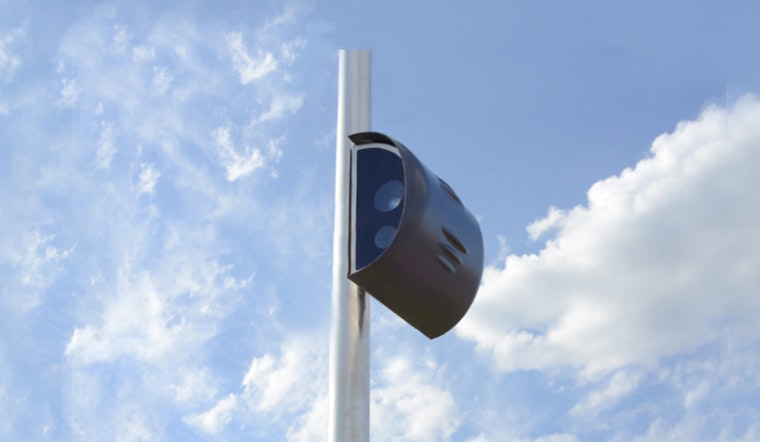
The California State Senate has taken a key step toward letting Long Beach fire up automated speed cameras along a notorious stretch of Pacific Coast Highway, advancing a bill that targets what officials say is one of the city’s deadliest corridors. The measure, Senate Bill 1279, carried by State Sen. Lena Gonzalez, cleared a Senate hurdle and now heads to the Assembly for its turn under the microscope. Supporters say the cameras would zero in on a roughly eight-mile stretch that accounts for a disproportionate share of Long Beach traffic deaths.
According to MyNewsLA, the Senate moved the bill forward on May 19, 2026, sending it to Assembly committees for hearings and amendments. Backers argue that current law leaves state routes like PCH out of California’s existing speed-camera pilot, so SB 1279 is written as a one-time expansion tailored specifically for Long Beach.
Why supporters want cameras on PCH
Data from Sen. Gonzalez’s office show that since 2020, the eight-mile segment of PCH has accounted for about 20% of Long Beach traffic fatalities. Local leaders, including Vice Mayor Roberto Uranga, told the Long Beach Post that the highway slices through dense neighborhoods near schools and parks, and that automated enforcement is meant to work alongside street redesigns intended to slow drivers down.
How the pilot would work
The bill would let the city operate up to five speed safety systems along Pacific Coast Highway, with a host of operating rules spelled out in state law. That would include prominent “Photo Enforced” signs, speed-feedback displays, routine equipment inspections, and a required public information blitz, plus a warning period before any real tickets go out, according to the bill text on California Legislative Information.
Under SB 1279, notices would rely on rear-license-plate photos only. Camera detections would be treated as civil violations, not criminal offenses, with an administrative appeals process. The city would also have to publish an addendum to its Speed Safety System Impact Report before it starts issuing citations, again as outlined in the bill language on California Legislative Information.
What advocates point to
Supporters of the Long Beach plan are quick to point north. In an early review of San Francisco’s own speed cameras, the SFMTA reported a 72% drop in speeding at studied camera locations and an average speed reduction of about 4 mph once the systems were in place. The agency also logged tens of thousands fewer speeding events per day and noted that revenue is directed to maintaining the program and paying for other street-safety work, according to SFMTA.
Local reaction and concerns
City Hall is on board. Long Beach has formally endorsed SB 1279, including a letter from the mayor’s office urging state lawmakers to pass the bill. That letter is posted by the City of Long Beach.
Public feedback on the city’s planning for automated enforcement, however, is more mixed, with residents weighing in on potential life-saving benefits, as well as concerns about equity and the financial strain of fines. Those comments are collected on the project page from Long Beach Public Works.
Legal and privacy details
SB 1279 mirrors the broader guardrails of California’s speed-safety pilot. Violations would be civil, not criminal. Photographic records would be restricted in how they can be used and shared, and the city would be required to report on program impacts, including counts by ZIP code and an equity analysis to track who is receiving citations, according to the bill text on California Legislative Information.
What happens next
With the Senate’s vote this week, SB 1279 now moves to the Assembly, where it will go through committee hearings and potential amendments before any floor vote, as reported by MyNewsLA. If the Assembly signs off, Long Beach would still have homework to do: the city would need to adopt an addendum to its Speed Safety System Impact Report and complete the required outreach and warning period before the first camera-triggered citations can be issued, according to Sen. Gonzalez’s office.





