

























































Warm days are finally here, but Washington safety officials say the region's rivers, lakes and Puget Sound are still cold enough to be deadly. As Memorial Day and summer weather approach, public health and parks leaders are warning that preventable drowning deaths have climbed in recent years and are urging simple precautions, especially wearing a properly fitted life jacket and resisting the instinct to jump in after someone in trouble. With more people headed for paddleboards, kayaks and waterfront hangouts, they say the mix of icy water and flood-shifted debris can turn a casual swim or quick dip into an emergency within minutes.
Why the Water Is Still Deadly
Ted Buehner, a consulting meteorologist who spent decades with the National Weather Service, said the summer outlook is warmer and drier, which will inevitably draw more people to the water. The problem is that the water has not caught up with the air. Puget Sound is sitting just above 52 degrees Fahrenheit, while Lake Union, Lake Washington and Lake Sammamish are still in the 50s. Rivers fed by Cascade and Olympic snowmelt are even colder, in the mid 40s to lower 50s, according to KIRO 7.
Drowning Numbers and Hidden Hazards
Public Health - Seattle & King County's water-safety advocates report that the region saw 25 preventable drowning deaths last year, eight of them involving boats. More than half of preventable drownings happen in natural waters like rivers and Puget Sound, not in pools. Tony Gomez cautioned that recent flooding has rearranged river channels and built up logjams and new woody debris that can trap swimmers and paddlers against hidden obstacles. "It's like trying to push a car off of you," he said, according to KIRO 7.
What Officials Are Urging
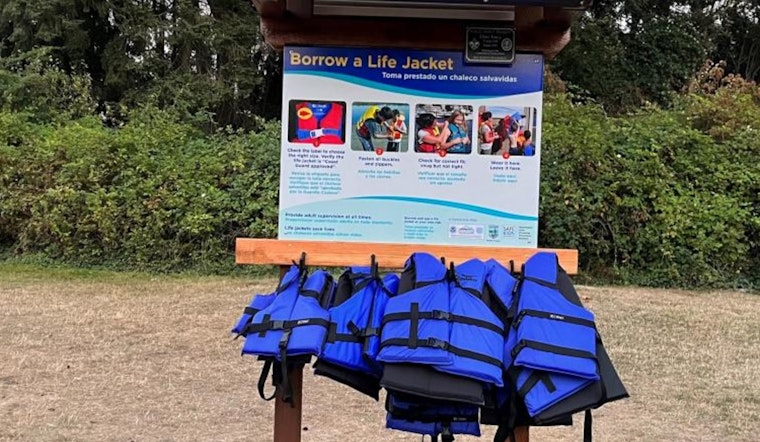
State boating officials are not mincing words: wear your life jacket and plan ahead. Washington State Parks runs an interactive map and life-jacket loaner program that lists more than 180 stations where visitors can borrow a personal flotation device for the day. The agency is also promoting training that focuses on staying on shore during rescues and following the "reach, throw, don't go" principle instead of diving in. The state's boating manager has pointed out that many recent fatalities involved paddlecraft and people who were not wearing life jackets at all, a trend reported by Axios.
How to Rescue Safely and Where to Find Help
Across agencies, the message is consistent: bystanders should not enter cold water to rescue someone else. Instead, officials urge people to stay on shore, reach with a paddle, pole or branch, throw a buoyant object, and call emergency services immediately. Counties and park districts are teaming up on free life-jacket loaner stations and events that teach safe boating and cold-water awareness, and local agencies recommend taking advantage of those stations and trainings before heading out for the day.
Quick Tips Before You Go
Experts recommend wearing a Coast Guard-approved, properly fitted life jacket and dressing for the water temperature, not just the warm air on shore. Avoid alcohol, file a float plan with someone who is staying on land, and carry a reliable way to call for help. Safety groups also emphasize the 1-10-1 rule: about one minute to get your breathing under control, ten minutes of meaningful movement, and roughly one hour before loss of consciousness in cold water, guidance highlighted by federal partners and boating-safety groups and reported by Axios.
Resources and Where to Learn More
National Safe Boating Week runs May 16 to 22, and this year's campaign focuses on life-jacket access and training ahead of the Memorial Day rush, according to the Safe Boating Campaign. For state-level loaner maps and education programs, visit Washington State Parks, and for federal guidance and boating statistics, check the U.S. Coast Guard's boating safety pages.




