

























































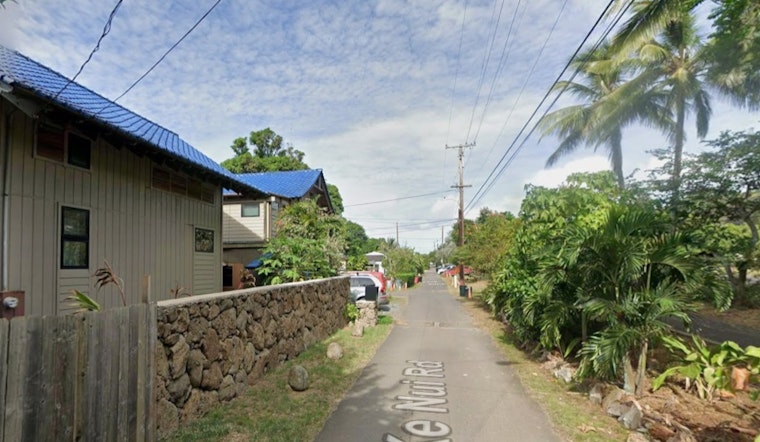
State regulators this week sent a pricey message to three North Shore homeowners, ordering them to pay nearly $2 million in fines for unpermitted shoreline armoring in front of Sunset Beach houses. The cases center on parcels along Ke Nui Road near Rocky Point, where repeated winter swells and chronic erosion have stripped away sand and left homes alarmingly close to the high-tide line. Owners have begun pulling out illegal materials under county and state oversight, but the penalties are still tied to past work and existing liens. The clash highlights a familiar North Shore tension between homeowners scrambling to save their investments and state rules designed to protect public beaches and marine resources.
Land board action and settlement terms
At a May meeting, the Board of Land and Natural Resources locked in fines and settlement terms that push total assessed penalties on the three Ke Nui parcels to roughly $2 million, as reported by Honolulu Star-Advertiser. The board agreed to cut one owner’s tab from about $937,000 to roughly $510,000 once debris is removed and dunes are restored, while another owner, longtime Rocky Point resident Todd Dunphy, still faces substantial accrued fines and liens, according to DLNR. Department staff have repeatedly urged the removal of sandbags, tarps, concrete and other hardening materials makai of the shoreline to protect public access and nearshore ecosystems.
Coastal context: erosion and sea-level rise
State planning tools and scientists say the bigger picture makes hard armoring a bad long-term bet. Hawaiʻi’s sea-level rise work projects roughly nine inches of rise by 2050 and about three to four feet by 2100, ramping up chronic erosion and high-wave risk in places like Sunset Beach. Mapping and projections used for local planning are laid out by PacIOOS and in state sea-level rise reports. Local reporting and coastal advocates warn that stopgap measures, from sand “burritos” to concrete revetments, can actually speed up beach loss and turn into debris that hurts habitat and public access, a pattern documented in coverage by Civil Beat.
Homeowners' position and clean-up steps
Property owners argue they were trying to save homes that were literally being eaten away by waves and collapsing sand. Dunphy told reporters he has spent about $500,000 over two decades trying to shore up his Rocky Point properties and that erosion has dragged down their assessed value, according to the Honolulu Star-Advertiser. The owners have secured a joint county permit to remove illegal erosion-control materials and have started clearing debris. The land board tied any reductions in fines to completing dune restoration and debris removal.
What comes next
What happens next will depend on whether owners follow through with the mandated cleanup and restoration and on whether the state ultimately signs off on the negotiated settlement terms, a framework laid out in enforcement submittals to the land board from DLNR. Those documents show the agency leaning on fines and restoration orders as its primary tools to protect the public beach. Community groups and some lawmakers say the longer-term answer will require dedicated funding and coordinated dune and beach management so residents are not left choosing between legal trouble and watching their houses slide into the sea.





