

























































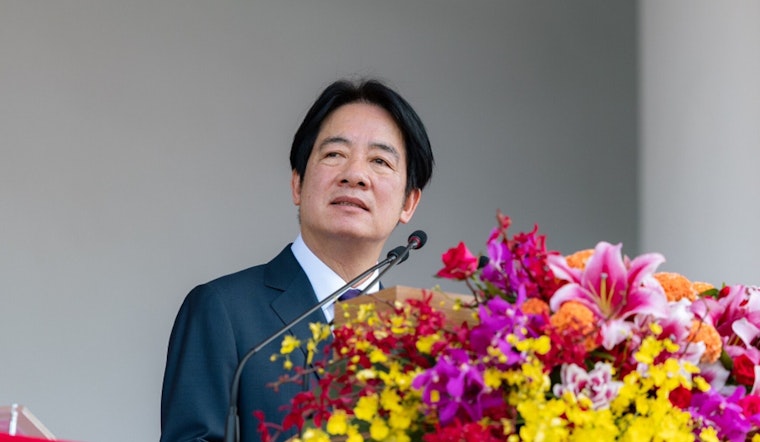
Taiwan President Lai Ching-te is back in Taipei after a surprise three-day state visit to Eswatini, the island’s lone diplomatic ally in Africa, and he is framing the trip as a message to Beijing. Lai said the journey showed Taiwan would not “retreat in the face of suppression” after what Taipei described as Chinese pressure to block his travel. The whirlwind tour put a spotlight on how tight Taiwan’s diplomatic room has become, and how far it is willing to go with friendly partners and quiet logistics to keep formal ties alive.
Flight Disruptions and a Last-Minute Pivot
The visit was originally slated for late April but got pushed back when Seychelles, Mauritius and Madagascar yanked overflight permissions, a move Taiwan blamed on China, according to The Associated Press. Lai later posted on X that he had arrived in Eswatini to “affirm our longstanding friendship,” saying the trip would deepen cooperation on the economy, agriculture and education. Taiwan’s foreign ministry and national security officials said they put together careful arrangements to keep the delegation safe throughout.
How Lai’s Team Rerouted the Trip
To make the journey work, Taiwan switched things up. Lai flew on an Eswatini government aircraft and returned via a looping path over the southern Indian Ocean to steer clear of airspace controlled by governments close to Beijing, Reuters reported. Flight-tracking apps and photos from Lai’s office showed the plane skirting near Australia’s Christmas Island and cutting through Southeast Asian airspace on the way home. Taiwan also released images of its F-16 jets escorting the aircraft as it arrived at Taoyuan, a bit of choreographed theater to cap the journey.
On the Ground in Mbabane
In Eswatini’s capital, Lai received full military honors, held talks with King Mswati III and watched as the two sides signed a Customs Mutual Assistance Agreement, according to the Taiwan Presidential Office. The office said some operational security details would stay under wraps, and it publicly thanked Eswatini officials for coordinating a visit it described as both “safe and dignified.”
Beijing Fumes, Washington Nods
Beijing reacted with sharp criticism, accusing Lai of “skulking” overseas and branding his conduct undignified. Washington took a very different tone. The U.S. State Department called Taiwan “a trusted and capable partner” and said its global relationships deliver significant benefits, Reuters reported. Taipei, for its part, rejected Beijing’s one-China framing and insisted the trip followed international law and standard diplomatic practice.
Why This Small Trip Carries Big Weight
Analysts say the Eswatini episode highlights a broader Chinese strategy of diplomatic pressure across the Global South and exposes how heavily Taiwan leans on a shrinking circle of formal allies and improvised logistics to sustain state-to-state ties, according to Al Jazeera. For Taipei, the visit was a win that came with a reminder of just how fragile things are: Eswatini is one of only about a dozen countries that still recognize Taiwan, and the future of that bond ultimately depends on decisions made in the kingdom’s own palace and parliament.
Local media picked up the story quickly. Honolulu’s Star-Advertiser ran early coverage of the trip. Diplomats in Washington and Taipei will be watching closely to see whether Beijing extends similar pressure campaigns to Lai’s next stops abroad.


.jpg)