

























































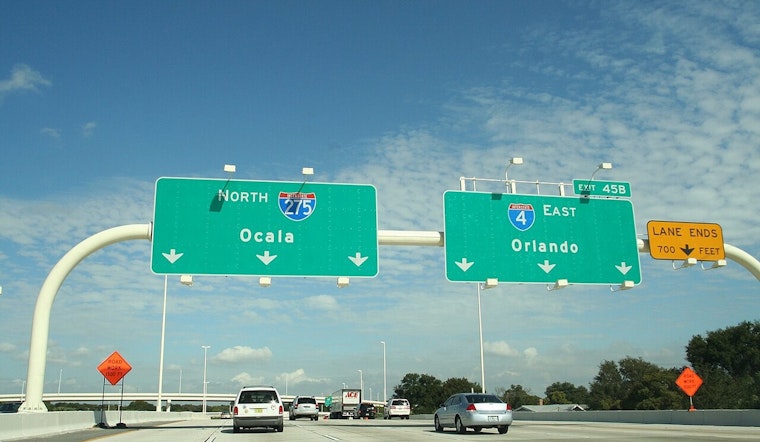
Hillsborough County's Transportation Planning Organization quietly kept a long-disputed plan to widen Interstate 275 through north Tampa on its updated List of Priority Projects Wednesday, a move that keeps a years-old battle over neighborhood impacts and transit priorities very much alive. The I-275 expansion now sits alongside about 40 other projects that the board has flagged for state and federal consideration.
According to Tampa Bay Business Journal, the TPO ranked roughly 40 projects among its top priorities and left the I-275 widening on the list. TPO materials describe the Priority List as the annual tool the board uses to identify projects that should be considered for the five-year Transportation Improvement Program and for programming by the Florida Department of Transportation. Per Plan Hillsborough, the board has been updating the list to show project status and screen for readiness before pushing items toward funding.
Old fight, fresh ranking
The capacity element at the center of the controversy - generally described as adding lanes between Hillsborough Avenue and Bearss Avenue - was removed from short-term funding lists in 2021 and later reintroduced after a narrow 8-7 TPO vote in 2024, according to reporting by 83 Degrees Media. Neighborhood leaders argue that the added travel lanes would worsen air and noise pollution, reduce property values and erode community livability.
Southeast Seminole Heights vice-president Jason Marlowe told ABC Action News that residents felt blindsided by the revival of the expansion language, saying there was "no consultation with our neighborhood."
Neighbors vow to fight
Neighborhood groups across north Tampa have been mobilizing since the capacity language returned to the TPO's documents. The Old Seminole Heights Neighborhood Association and others have circulated action templates and meeting alerts online, urging residents to speak up.
Those groups say they will use public-comment periods and county hearings to press for transit alternatives such as streetcar expansions or use of the CSX corridor instead of additional interstate lanes.
What the priority list actually does
Landing on the TPO's Priority List does not guarantee construction. It signals to FDOT and grantmakers that a project is a local priority and may be a candidate for federal or state programming, essentially putting it in the queue.
The TPO has tweaked its prioritization process to emphasize project readiness and transparency, aiming to stretch limited dollars by steering money toward projects that are closer to delivery.
What's next for I-275
In the short term, the practical effect is limited. The board's decision keeps the I-275 corridor eligible for discretionary funding and FDOT programming, but design and construction still depend on decisions by state and federal agencies.
The Tampa Bay Business Journal notes a key date in the process: Tuesday, June 30, 2026, a deadline tied to application and programming windows for the Transportation Improvement Program that leaves project sponsors little time to move short-term items forward.
At the same time, FDOT continues to advance large corridor and interchange projects around Tampa Bay, as reporting on the region's Westshore interchange and other builds shows (Construction Review Online).
For opponents, the vote is a reminder that transportation policy in Tampa remains a live political fight between a state infrastructure agenda and neighborhood calls for transit and livability. The TPO's list will be folded into the next rounds of FDOT and federal funding conversations, and local advocates say they intend to keep showing up at meetings to try to steer decisions toward transit alternatives.





