

























































North Carolina lawmakers are eyeing one of the biggest alcohol shake-ups the state has seen in years, and it involves everything from Sunday liquor runs to vodka-laced whipped cream.
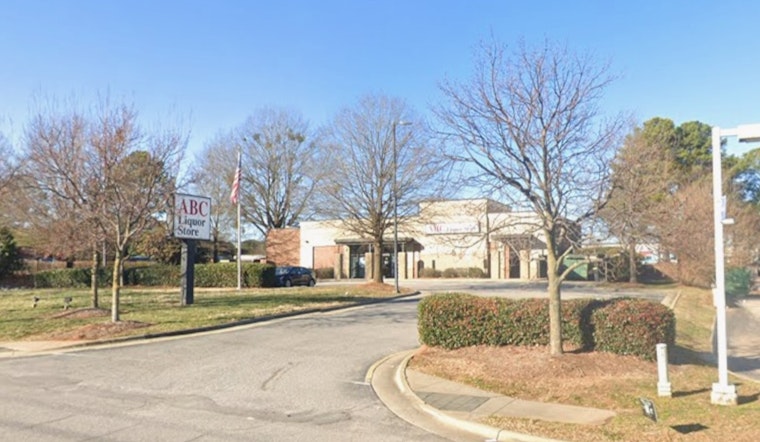
House Bill 921 would let state-run ABC stores open on Sundays in communities that opt in, put low-alcohol premixed canned cocktails on grocery shelves, and officially bring packaged boozy whipped cream under state alcohol rules. The wide-ranging proposal landed in the House Alcoholic Beverage Control Committee on Tuesday, but members tapped the brakes and postponed a vote.
What the bill would change
H921 is a sweeping ABC and gaming omnibus that creates new permit types, tweaks how alcohol can be displayed and purchased, and rewrites sections of Chapter 18B so the law actually catches up with premixed cocktails and other manufactured alcohol products. The bill would let city councils, county boards, or tribal authorities vote to authorize their local ABC boards to open liquor stores on Sundays, and it layers in new statutory language to oversee the newer product categories.
As laid out in the bill text posted by the North Carolina General Assembly, different sections of the proposal would kick in on staggered effective dates.
Grocers and retailers want canned cocktails on shelves
One of the flashier changes sits in the beer aisle. Under the draft, grocery stores, convenience stores, and other retailers that already sell beer and wine could also stock premixed canned cocktails, as long as the drinks stay under 13 percent alcohol by volume.
Supporters say that tweak simply reflects what customers already expect to find next to the seltzers and hard lemonades, and they argue it could bump up sales-tax revenue. ABC boards and some local officials are not buying the rosy forecasts, warning that shifting sales out of state-run stores would shrink the local dollars ABC profits currently send back to cities and counties. Retail advocates and opponents traded those arguments during the committee hearing, according to reporting by WUNC News. The N.C. Beer and Wine Wholesalers Association also urged lawmakers to slow down, with its executive director warning that the premixed-cocktail section could be read as a first step toward a broader privatization of liquor sales, per committee testimony.
Boozy whipped cream in the bill
H921 also turns its attention to the dessert cart. The bill would explicitly add packaged whipped cream and similar novelty foods to the statutory definition of an “alcohol consumable,” so shelf-stable, alcohol-infused whipped cream would fall squarely under ABC rules.
The proposal spells out that an alcohol consumable can include manufactured and packaged whipped cream containing at least 0.5 percent alcohol by volume. Products such as Whipshots, a vodka-infused whipped cream line promoted by Cardi B, are marketed at higher ABV levels on the brand’s site, according to Whipshots.
Game nights and fundraising get looser
The bill does not stop at booze. It would also expand how often exempt nonprofits can host casino-style “game night” fundraisers, jumping the cap from two events per year to 24. Supporters say that change would make it easier for charities and community groups to raise money, while critics worry it inches the state toward normalizing gambling culture.
Rep. Ray Pickett, the bill’s sponsor, told colleagues many of those fundraisers are simply “for fun.” Opponents, including the N.C. Family Policy Council, countered that the expansion could pave the way for a glut of Las Vegas-style events across the state, according to WUNC News.
Next steps and what is at stake
The House Alcoholic Beverage Control Committee put off a decision on Tuesday and scheduled H921 for more debate at a future meeting; the measure appeared on the committee’s May 12 agenda as an omnibus bill.
Industry groups urged lawmakers to hold off on major changes until the state addresses warehouse and distribution problems that wholesalers and ABC boards say could snarl any big policy shift. Local ABC officials also warned that if liquor sales move away from state stores, cities and counties could see a hit to revenue that currently flows back from ABC profits, according to the committee calendar and reporting by WRAL.
Legal and timing notes
If H921 ultimately becomes law, not every change would arrive at once. The bill text lays out staggered effective dates for different sections, with some provisions drafted to take effect October 1, 2025, and others on December 1, 2025. Those timelines would only matter if the General Assembly passes the measure, according to a summary by BillTrack50.





