

























































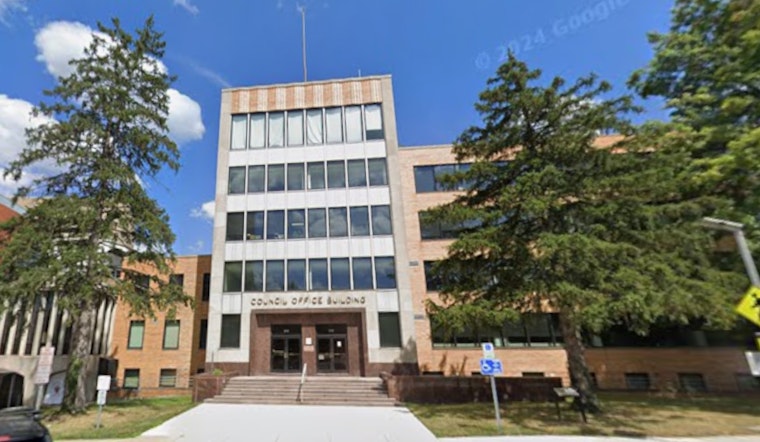
Montgomery County’s income tax is officially going progressive after a one-vote cliffhanger Wednesday that lifted the top rate to 3.3% for residents with taxable income above $150,000 while trimming rates for most households. The 6-5 decision, arriving as budget battles heat up ahead of the June primary, shifts the county from a flat 3.2% tax to a three-bracket system and tees up a larger fight over how to fund local services.
Under the new structure, the county will tax the first $50,000 of taxable income at 2.7%, income from $50,001 to $150,000 at 3.0%, and income above $150,000 at 3.3%. Supporters framed the plan as asking more of higher earners, while critics warned it still squeezes many homeowners, according to The Banner.
How the council expects to pay for the change
To plug the revenue hole created by the lower rates on much of the tax base, council staff recommended eliminating the county’s Income Tax Offset Credit, or ITOC. The move would free about $50 million in one-time money for capital projects while holding down ongoing revenue growth. Staff analysis found that the new progressive brackets will collect less than a flat 3.2% rate in the early years, with the ITOC change and other tweaks expected to help close that gap, according to the council staff report.
Split council, sharp reactions
The vote also drew clear political lines. All three councilmembers running for county executive, Evan Glass, Andrew Friedson and Will Jawando, opposed the plan, joined by Kristen Mink and Laurie-Anne Sayles. Council President Natali Fani-González and five colleagues carried it across the finish line.
Fani-González defended the move, saying, “Numbers don't lie. We're not here playing politics.” County Executive Marc Elrich blasted the shift as “regressive” and argued that homeowners could still feel the hit, according to The Banner.
What comes next
The new brackets are scheduled to apply starting with the tax year that begins Jan. 1, 2027. County staff noted that the council must formally notify the State Comptroller of the new rate structure by the required deadline. Because the state sends income-tax revenue to counties on a delay, the fiscal effects will roll out over several budget cycles before the full impact is visible, according to the council staff report.
The tax vote lands as Elrich pitches an approximately $8 billion FY27 operating budget that includes both property-tax and income-tax ideas. Council leaders say the graduated income schedule is designed to ease some property-tax pressure while still meeting school and county funding needs, according to MoCo Show and council budget documents. Staff projections indicate the progressive brackets will bring in less revenue than a flat 3.3% rate in the early years, which means future budgets will need other adjustments to stay balanced.
Local TV and regional outlets quickly jumped on the drama; for video and early coverage, see WUSA9. The council is expected to wrap up related budget votes later this month as it finalizes FY27 spending.


