

























































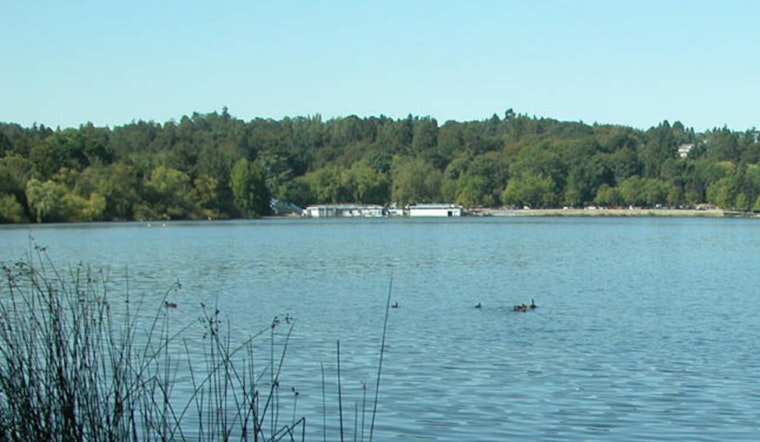
Green Lake is getting the kind of spring cleaning nobody asked for: King County health officials have slapped a "stay out of the water" advisory on one of Seattle's most popular urban lakes after tests found toxic algae.
The warning tells people and pets not to swim, drink lake water or otherwise get in contact with it. Park staff are putting up bright advisory signs around the shoreline, and county scientists will keep sampling the water as the summer swim season creeps closer.
As reported by KIRO 7, Public Health - Seattle & King County is urging residents to keep themselves and their pets out of the lake while the advisory is in effect. The KIRO 7 coverage notes that Seattle Parks is posting warnings at lake access points and directs readers to the statewide toxic algae database for detailed toxin measurements.
Where Tests Detected Toxins
The Washington State Toxic Algae Monitoring Program lists Green Lake (West Beach) with a last sample date of May 11, 2026, and shows values above state recreational guidance, indicating elevated cyanotoxin levels.
The program warns that cyanobacteria, often called blue-green algae, can produce toxins that are harmful to people and animals, even when the water looks relatively normal. Blooms and scummy patches tend to be the most dangerous, but toxin levels can still be high when obvious scum is not visible.
A Familiar Problem At Green Lake
If this feels like déjà vu, it is. Green Lake has a long record of algal blooms and is regularly scrutinized by county and city monitoring programs. King County's Lake Stewardship monitoring program has sampled the lake for years, tracking water quality and bloom conditions.
On the city side, Seattle Parks' Integrated Aquatic Vegetation Management Plan reviews past efforts to get a handle on the problem, including a 2016 alum treatment designed to reduce internal phosphorus in the lake and help limit future blooms. Local volunteer groups also conduct phytoplankton monitoring and help flag suspicious scums for testing, so the current advisory is based on both lab results and what people are seeing from the shoreline.
For detailed background on monitoring and past treatments, see Seattle Parks' management plan.
Health Risks And Official Guidance
State public health guidance notes that cyanotoxins, including microcystins and certain neurotoxins, can trigger skin and eye irritation, stomach upset and vomiting, and in more severe exposures can damage the liver or nervous system.
The Washington State Department of Health recommends that when toxin levels exceed recreational guidance values, local agencies post WARNING signs and sample at least weekly. The state also advises waiting for two consecutive weekly samples below guidance levels before lifting any advisory.
For more on symptoms, exposure risks and prevention tips, see the CDC.
Boating, Fishing And Pets
Current guidance generally allows boating and fishing as long as people steer clear of visible scum and areas where algae is piling up. Anglers are advised to clean fish thoroughly and discard the guts when toxins are present.
Pets, especially dogs that like to charge straight into the water and then lick themselves dry, face particular risk. Owners are urged to keep animals out of Green Lake, rinse them off immediately if they do get in, and contact a veterinarian if any symptoms appear after possible exposure. Coverage in The Seattle Times underscores how quickly cyanotoxins can make dogs seriously ill.
How Officials Will Decide When To Lift The Advisory
The Department of Health's playbook is straightforward: keep the advisory in place while toxin levels are above recreational guidance, keep testing at least weekly under conditions that are likely to show peak algae biomass, such as calm weather, and only lift the warning after two consecutive weeks of results below guidance values.
For live test results and the latest advisory status, officials point residents to the state toxic algae database and King County's online lake information. Seattle Parks also posts updates for swimming beaches and puts up physical signs at affected access points.
The main public sources for test data and advisory notices are the Washington State Toxic Algae Monitoring Program, King County and Seattle Parks.



