

























































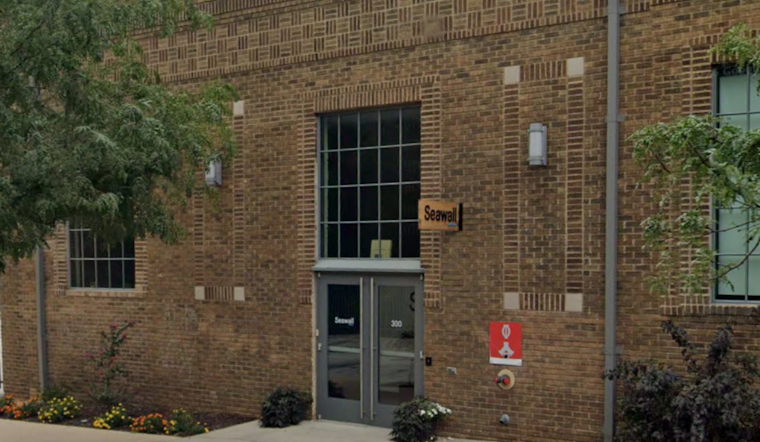
Seawall Development is moving to acquire roughly four acres along the Jones Falls, and the deal is already stirring a deeper fight over what the valley should become: a greener park‑like escape or a preserved industrial workhorse. A mayoral Sisson Street task force has circulated a draft that boils the future of the city’s busiest bulk‑trash drop‑off down to three choices: move it, leave it, or phase it out once other sites hit certain benchmarks. However, the city calls it, the decision will help decide who actually gets to use this slice of riverfront for years to come.
Developer buys Potts & Callahan parcel
Seawall says it has a contract in place to buy the Potts & Callahan equipment yards on Falls Road, identified in prior coverage as about 2701 and 2801 Falls Road, and is pitching the move as the start of a community‑driven planning effort instead of a push for more industrial use. The company has promised the land will not become another transfer station and is asking neighbors what mix of uses and green space they want to see. As reported by Baltimore Fishbowl, Seawall framed the pending purchase as a direct answer to neighborhood concerns.
Task force lays out options for Sisson Street
Mayor Brandon Scott set up a multi‑member Sisson Street Task Force after residents pushed back against an earlier idea to shift the Sisson Street Citizen Drop‑Off Center to Falls Road. In its draft report, the group weighs the pros and cons of three paths: relocating the facility, keeping operations at Sisson as is, or shutting it down after other transfer centers are upgraded and meet specific performance metrics. Fox Baltimore(republishing Baltimore Sun reporting) notes that the draft tries to juggle everyday trash logistics with long‑range goals for protecting the floodplain and the trail network.
Neighbors push back over floodplain and trail
Community organizations and Remington residents have consistently opposed putting bulk‑trash operations on Falls Road, arguing the site sits in a floodplain and sits right next to the Jones Falls Trail and the Baltimore Streetcar Museum. That backlash is a key reason Seawall says it shifted toward purchasing the Potts & Callahan property and talking up park‑focused concepts instead of heavier industrial uses. Baltimore Brew reports that public meetings drew residents worried about stormwater, habitat damage, and losing recreational access.
What development plans look like
Seawall has also floated a grocery‑anchored redevelopment on nearby lots and has already submitted concept plans to the Baltimore Development Corporation, though the BDC has not formally signed off on anything. Earlier task‑force sessions had already taken Falls Road off the table as a relocation option, which pushed officials to talk instead about staggered upgrades at other drop‑off centers. Reporting from Baltimore Fishbowl notes that the final call is expected to rest as much on technical waste‑service demands as on any big‑picture vision for the valley.
Next steps and timeline
Seawall and neighborhood groups are hosting public engagement meetings this spring while the task force finishes its recommendations for city officials, and any sale or land‑disposition moves would follow further review. City Council action or Baltimore Development Corporation decisions could come next if leaders choose to sell city‑owned property or rework trash service logistics, although local coverage stresses that there is no firm schedule yet. As Baltimore Brew reported, residents should see more chances to weigh in before anything is locked in.





