

























































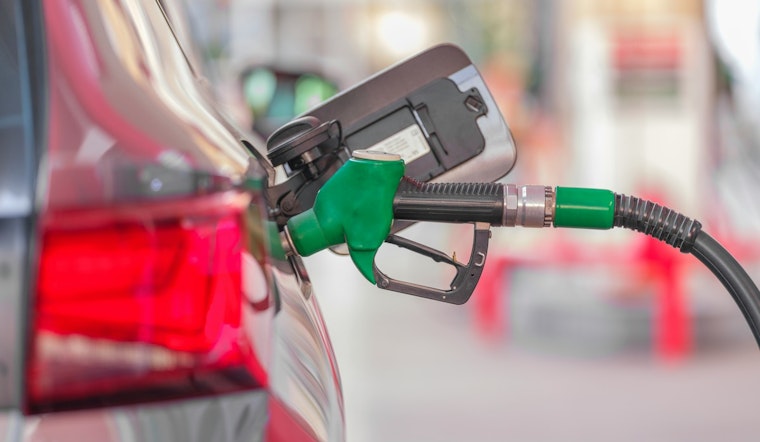
Drivers around the Triangle have had reason to eye the gas pump a little more closely lately. State inspectors recently tagged pumps at more than a dozen stations in the region for issues ranging from damaged hoses and unreadable displays to meter creep, when the total keeps climbing even after you release the handle. Some of those pumps were shut down until a licensed technician fixed the problem and an inspector checked the meter again, affecting everything from big-name chains to small neighborhood marts and leaving customers wondering if they are actually getting the fuel they pay for.
Who oversees inspections
The Standards Division of the North Carolina Department of Agriculture and Consumer Services is the referee for this kind of thing, handling inspections of fuel dispensers and other measuring devices and offering guidance and complaint tools for consumers. According to the NCDA&CS Standards Division, testing and inspections are provided at no cost, and its website includes online complaint forms along with program contacts. The same page lists phone numbers and email addresses for people who want to report problems with fuel dispensers or fuel quality.
Which pumps were tagged
As reported by The News & Observer, inspectors cited problem pumps across Wake, Durham, Orange and Chatham counties. The list included units at Pittsboro Food Mart, several Circle K locations, Buy Quick on Six Forks Road, My Stop in Chapel Hill, Speedway on Martin Luther King Jr. Boulevard and AJ's Food Mart in Apex. Inspectors also came across pumps that were already marked out of order at BJ's Wholesale Club sites, Murphy Express, Sheetz and other stations. According to the paper, some of the tagged pumps were later cleared and put back into service after repairs.
What 'tagged' means
When inspectors find a meter that is shorting customers, they “tag” that dispenser and pull it from service until a licensed technician corrects the issue and an inspector can test it again, all to protect consumers. Inspectors check accuracy by pumping five gallons into a metal container known as a prover. According to The News & Observer, the acceptable tolerance is 6 cubic inches over or under five gallons, and anything more than 6 cubic inches less than five gallons means the meter gets tagged. “'Tagged' is something that we deem is harmful to the customer,” Chad Parker, the Standards Division’s measurement manager, told the paper.
How to report problems and protect yourself
If you spot a pump that keeps ticking after you let go of the handle, see a cracked hose or cannot read the display, the safest move is to stop pumping and write down details. Note the pump number, fuel grade, date, time and the station name. The NCDA&CS website offers an online complaint form plus contact information, and consumers can reach the Weights and Measures program at 984-236-4751 for dispenser concerns or the Fuel Quality line at 984-236-4770. Follow-up email contacts are also listed on the same page. Submitting a complaint triggers an inspector review and, when necessary, a return visit after repairs have been made.
Why this matters now
Regulators tend to hear more from drivers when gas prices jump, and regional price reports show that fuel costs in the Triangle have been climbing in recent weeks, as noted by Axios Raleigh. For now, the most practical protections are basic: pay attention to how the pump behaves, jot down the details if something seems off and report it so inspectors can check it out.





