

























































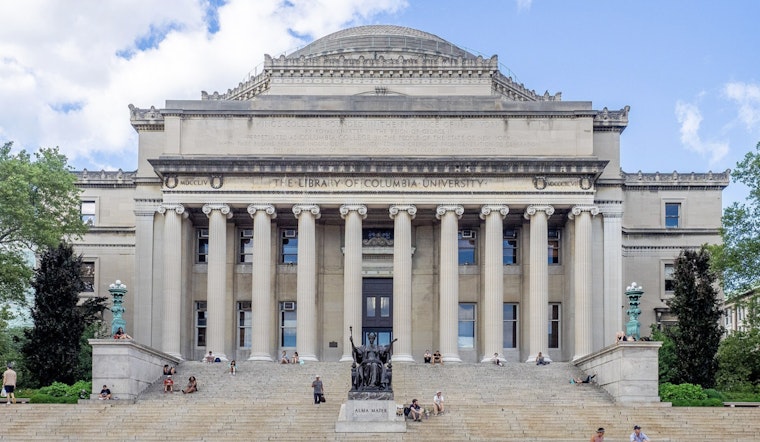
Moody's has shifted Columbia University's credit outlook to negative, putting the Ivy League school's top-tier rating on notice as it faces federal scrutiny and political pressure. The timing hits close to home: Columbia is weighing a sizable bond sale, and any dent in its credit standing could ripple through research funding and everyday operations in Morningside Heights.
Moody's flagged federal risks
Moody's revised Columbia's outlook to negative while affirming its Aaa rating, citing a shakier "federal environment for higher education" that could hurt operating performance, according to Bloomberg. The ratings agency pointed to uncertainty around future research prospects, potential changes to federal loan and grant rules, and shifts in international graduate enrollment that weigh heavily on schools with large professional and graduate programs.
Columbia's response and bond plans
Columbia said the ratings actions reflect the university's ongoing strength and resilience, even as it eyes the debt markets. The school confirmed it is considering issuing roughly $285 million of tax-exempt bonds along with about $200 million of taxable notes to finance campus needs, per Crain's New York Business. University officials said they are monitoring market conditions and offered no further details on timing as they decide whether to move ahead.
Political backstory: grants, settlement and scrutiny
The move from Moody's comes after a year of headline-grabbing federal actions. In March 2025 the administration paused about $400 million in grants to Columbia, and the university later agreed to a roughly $200 million settlement that restored much of that funding. Analysts say those developments factor into credit assessments. The grant freeze and settlement are outlined by Axios, which notes that Columbia did not admit wrongdoing in the agreement.
What a negative outlook could mean
A negative outlook does not cut Columbia's current top-tier grade on its own, but it raises the odds of a downgrade if operating trends slip. That could push up borrowing costs and complicate financing for major research projects. Rating analysts say federal policy uncertainty is weighing on the entire higher education sector and has already pushed some schools to trim hiring and spending, a trend described by The Bond Buyer.
For Manhattan neighbors and students, the impact is likely to be indirect for now. Careful timing on any bond sale and watchful investors could limit short-term disruption, but the episode is a reminder of how quickly national politics can shake the finances of local institutions. We will update this story as Columbia and Moody's release further details.


.jpg)