

























































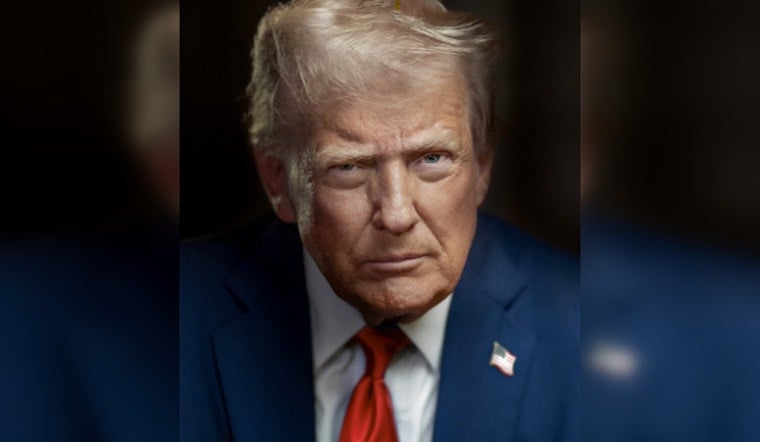
President Trump on Tuesday signed a proclamation restoring the Presidential Fitness Test and the associated Presidential Fitness Award, bringing back a performance-based school fitness standard that was phased out in 2012. The move revives gym-class benchmarks like mile runs, sit-ups and pull-ups and puts the program under federal oversight as part of the administration's broader health agenda.
Signing follows a 2025 executive action
The proclamation, signed at the White House, follows an executive order issued last July that reestablished the President’s Council on Sports, Fitness and Nutrition and put the Department of Health and Human Services in charge of administering any national fitness awards. The full executive-order text is posted on WhiteHouse.gov, and video of Tuesday’s Oval Office event was published by CBS News Chicago.
What the test measures
The revived award closely mirrors the old Presidential Physical Fitness Test, which typically included a one-mile run, timed sit-ups, pull-ups or push-ups, a shuttle run and a sit-and-reach flexibility exercise. Health analysts note that the Obama-era Presidential Youth Fitness Program shifted in 2012 to FITNESSGRAM’s health-based metrics instead of pure performance scores, a transition outlined in federal public-health documents from the CDC.
Who showed up
The White House brought in athletes and administration officials for the signing. Coverage by Fox News and other outlets lists several professional players and coaches among the guests, and reports note that HHS Secretary Robert F. Kennedy Jr. and Education Secretary Linda McMahon were in the room. The president praised the return of the award during his remarks, which were reported by AOL/NewsNation.
What schools will actually face
While federal proclamations and executive orders can create a national prize and a presidential council, it is still up to states and local districts to decide whether to bring a test-based program back into their schools and how to protect students in the process. Legislatures in several states are already moving to write standards that track with a presidential model. Bills and draft language in places like Kansas and West Virginia show lawmakers preparing to adopt or align local fitness measures, while education reporters caution that any rollout will raise equity, privacy and resource questions for already stretched school systems (Kansas Legislature; West Virginia Legislature; Hechinger Report).
What to watch next
Districts are waiting on formal HHS guidance on standards, reporting rules and accommodations before they even consider adding a new round of fitness benchmarks to gym class. School leaders say staffing levels and liability concerns will heavily influence whether the test makes it back into most classrooms. The administration assigned HHS that implementation role in last year’s order, and the executive text lays out the council’s structure and agency responsibilities for moving the program from proclamation to practice (WhiteHouse.gov).
Hoodline covered the council’s re-establishment and its roster of athletes last August; for background on the original announcement and who the administration tapped to advise standards, see our earlier breakdown of the star-studded fitness council. The new proclamation shifts the debate from symbolism to nuts-and-bolts questions that districts and states will now have to answer.




_(cropped)(2).jpg)