

























































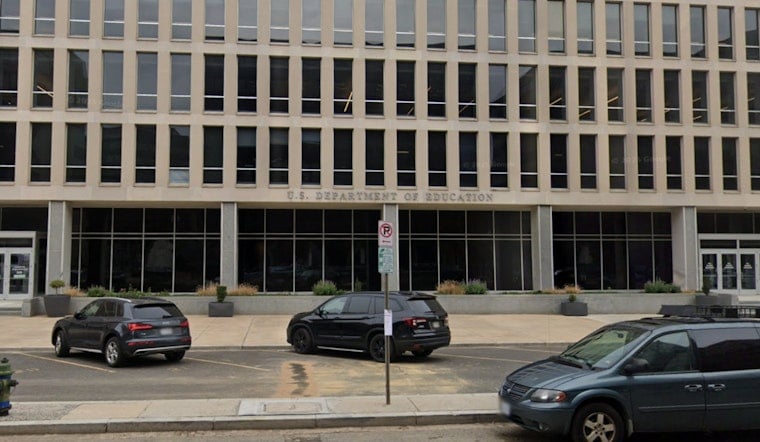
Recent regulatory moves at the Education Department could hand private equity firms a rare opening to scoop up struggling private colleges and campuses. If finalized, the changes would lower regulatory and liability barriers that have long scared off deep-pocketed buyers and could accelerate mergers, asset sales and other transactions that were far harder to pull off under earlier rules.
According to Bloomberg, the administration's proposal would create new space for private equity buyers at a moment when many small, tuition-dependent colleges are financially fragile. The outlet frames the shift as part of a broader regulatory push that could make consolidation a faster, more routine option for institutions on the brink.
The department has told university leaders it wants to "expedite and simplify" reviews of college mergers and acquisitions, a change Under Secretary Nicholas Kent says should shorten reviews that can now drag on for years. Bloomberg Law reports the agency aims to move quickly so potential sales or consolidations do not stall out under lengthy federal scrutiny.
Separately, the Education Department has halted blanket enforcement of a Biden-era rule that required owners of private colleges to assume personal liability for federal aid obligations, opting instead for case-by-case determinations. Student advocates say removing the automatic "skin in the game" requirement could make some investors more willing to buy campuses while weakening protections for students and taxpayers, according to Inside Higher Ed.
Why so many colleges are vulnerable
A projection from Huron Consulting, reported by The Hechinger Report and NPR, estimates that 442 of the nation's roughly 1,700 private nonprofit four-year colleges are at risk of closing or needing a merger within the next decade. The analysis points to declining enrollments, fewer international students and persistent operating deficits as the main pressures nudging small campuses toward consolidation or closure.
What private equity sees
Industry watchers say those financial strains create a sizeable pool of distressed assets where buyers can deploy capital, consolidate services and monetize real estate or long-standing brands. Reporting from Bloomberg, including its Going Private newsletter, and prior coverage have documented growing interest from sponsors looking for takeover opportunities and secondary-market plays in higher education.
That interest could be a lifeline for some campuses and communities, keeping doors open that might otherwise close. But not all deals preserve local programs or jobs. As The Hechinger Report has documented when small colleges shut down, students often face disrupted educations and communities lose payroll and spending that keep nearby businesses humming.
Legal implications
The department's enforcement change followed a settlement with a Missouri college, and officials say they will clarify future practice through formal rulemaking. Critics counter that shifting major policy by settlement rather than through negotiated rulemaking risks fresh litigation. Inside Higher Ed reports that student-advocacy groups and some lawyers view the rollback as reducing owner accountability and creating potential exposure for taxpayers.
What to watch next: how the department writes any formal rule and whether accreditors, states and consumer groups push back during the comment period. Bloomberg Law says Education officials aim to move faster on merger-and-acquisition reviews over roughly the next year. If those changes stick, investors and higher-ed leaders are likely to step up merger talks, and watchdogs are just as likely to sharpen their scrutiny.





