

























































After the Memorial Day weekend, volunteers with the Sea Turtle Preservation Society showed up for a routine beach check on South Cocoa Beach and instead found a small disaster: four clearly marked sea turtle nests had been disturbed, their bright warning stakes yanked out and scattered near the dunes.
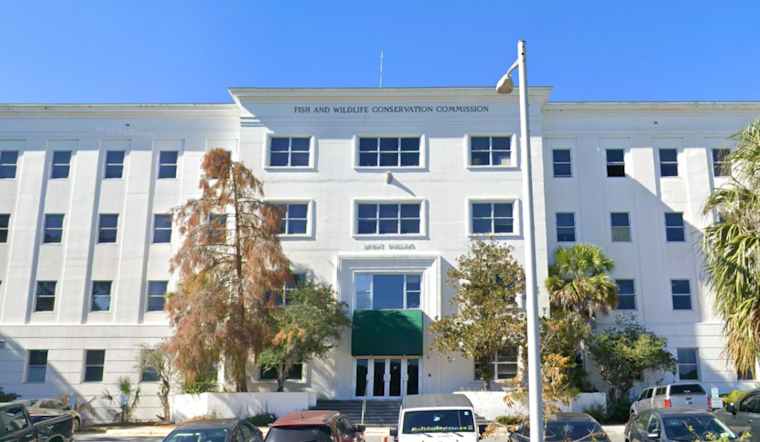
Without those markers, volunteers no longer knew exactly where the egg chambers were buried. The Florida Fish and Wildlife Conservation Commission has been notified and has opened an inquiry, while local volunteers spent hours carefully probing the hot sand to relocate the nests and re-mark them before predators or heat could do more damage.
According to FOX 35 Orlando, the stakes were pulled in the Crescent Drive area off State Road A1A. Volunteers later found the bright yellow warning cards abandoned near the dune line. The Sea Turtle Preservation Society says those markers had been placed to protect nests its team had been monitoring for weeks.
“How you don’t see it or don’t read it or don’t care—I don’t understand,” Joel Cohen, communications director for the Sea Turtle Preservation Society, told FOX 35 Orlando. STPS volunteer Melanie Hagen told the outlet that once the stakes are gone and the sand has shifted, it can be extremely difficult to pinpoint the actual nest site.
What the law says
Florida law is not casual about sea turtle nests. State statute spells out penalties for illegally possessing or damaging marine turtle eggs and nests, see Florida Statute 379.2431 for details. Violations can bring per-egg fines and, depending on the act, even felony charges.
The Florida Fish and Wildlife Conservation Commission is urging anyone with information about the disturbed nests to contact its Wildlife Alert hotline at 888-404-3922.
Why the Space Coast matters
Cocoa Beach sits on Florida’s Space Coast, right next to some of the most important sea turtle nesting habitat in the world. Nearby Archie Carr National Wildlife Refuge hosts one of the largest loggerhead and green-turtle rookeries in the Western Hemisphere. Conservation Fund staff and university researchers highlight the area’s outsized contribution to annual nest counts, which is why volunteer patrols are out every season.
Locally, the Sea Turtle Preservation Society surveys and marks nests along Cocoa Beach as part of Florida’s official monitoring program, trying to give the eggs a fighting chance in a place where both people and turtles want the same stretch of sand.
How you can help
Beachgoers can do more than just shake their heads at the vandalism. Simple steps help: fill in any holes you dig, remove chairs and beach gear before dark, keep beachfront lighting as low and turtle-friendly as possible, and never move marked stakes or eggs.
The Florida Fish and Wildlife Conservation Commission offers a “Be a Beach Hero” checklist and additional tips for protecting nests on its sea turtle pages. If you were on the Crescent Drive stretch of South Cocoa Beach over the holiday weekend and saw anything suspicious, report it to FWC’s Wildlife Alert hotline or submit a tip online.
Volunteers say this kind of vandalism wipes out weeks of work and raises the odds against eggs and hatchlings that already face a tough first crawl to the sea. Anyone with photos or video from South Cocoa Beach over Memorial Day is asked to contact the Sea Turtle Preservation Society or the Florida Fish and Wildlife Conservation Commission with any information that could help investigators.





