

























































A coalition of California community health providers has gone to federal court to stop a union-backed ballot initiative that would require federally qualified health centers to spend at least 90% of their revenue on direct patient care. Clinic leaders say that kind of rigid rule would yank roughly $2 billion from safety-net providers and could trigger layoffs and closures, particularly at rural clinics. The union behind the measure counters that workers want basic accountability and insists voters should get to decide.
Who filed the lawsuit and where
The California Primary Care Association and Open Door Community Health Centers have filed a pre-election challenge in U.S. District Court for the Northern District of California. Their complaint argues that the proposed measure misrepresents how clinics handle money and would collide with existing federal rules. As reported by the Los Angeles Times, clinic lawyers are asking a judge to block the initiative before it ever reaches voters.
What the Clinic Funding Accountability and Transparency Act would do
The proposal, officially filed as the "Clinic Funding Accountability and Transparency Act," targets Federally Qualified Health Centers (FQHCs) and similar community clinics. It would require them to devote at least 90% of total revenue to mission-related services and patient care, publicly report their finances, and send any funds that fall short of that threshold into a state-run account for workforce or training programs. Those details come straight from the Attorney General’s official title and summary for Initiative 25-0008. The California Attorney General provides the full text and summary.
Why clinics say the measure would hurt patients
Clinic operators argue the measure glosses over how community health centers are actually financed, which is through a complicated mix of federal grants, Medicaid reimbursements and other restricted dollars. They say a hard 90% spending rule would force cuts that put services at risk. The California Primary Care Association has warned the policy could strip nearly $2 billion from clinic systems and land especially hard on small and rural providers. The association has described the lawsuit as a last-resort move to protect access and staffing for vulnerable patients. The California Primary Care Association issued a statement announcing the legal challenge.
Union response: accountability and executive pay
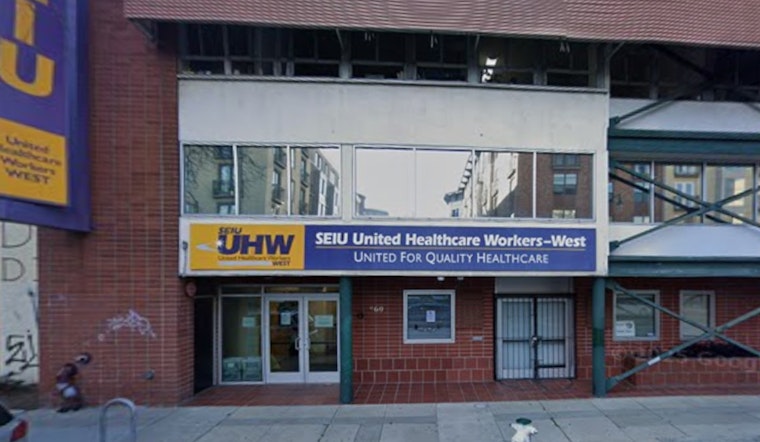
SEIU-United Healthcare Workers West, which led the signature drive, says the measure is aimed at curbing what it describes as excessive administrative pay and pushing more resources to frontline care. The union has rolled out statements and press material claiming clinics spend too much on overhead and executive compensation, and it reports collecting more than 1 million signatures to qualify the initiative for the November ballot. SEIU-UHW says the proposal will boost transparency and keep patient care at the center of clinic spending.
Legal questions at the heart of the case
The lawsuit zeroes in on a potential clash between the ballot language and federal rules that govern FQHCs, including reporting, allowable-cost and prospective payment system requirements that shape federal and Medicaid reimbursements. Federal regulations spell out how FQHC costs must be accounted for and reported to CMS, and the plaintiffs argue the initiative would disrupt that framework. That raises preemption and administrative-conflict issues the court will have to untangle. The relevant federal regulations on FQHC reporting and allowable costs are collected in Title 42 of the Code of Federal Regulations, and 42 CFR §405.2470 and related rules explain those obligations.
What to watch next
Because this is a pre-election challenge, the case is expected to move quickly. The clinics want a judge to stop the measure before signature verification and any ballot placement go forward. The union has already turned in more than 1 million signatures, and under California law the secretary of state must verify petitions before a measure can qualify for the ballot. The Los Angeles Times has outlined the timeline and the competing stakes for voters, unions and providers.
Why it matters locally
The fight puts one of California’s largest healthcare unions on a collision course with the financial rules that keep the state’s safety-net clinics operating. The result could reshape how community clinics budget federal and state dollars and could set a template for future ballot-box limits on nonprofit operations. Clinics, lawmakers and voters across California will be watching closely to see whether a judge lets this spending debate move from the courthouse to the ballot box.





