

























































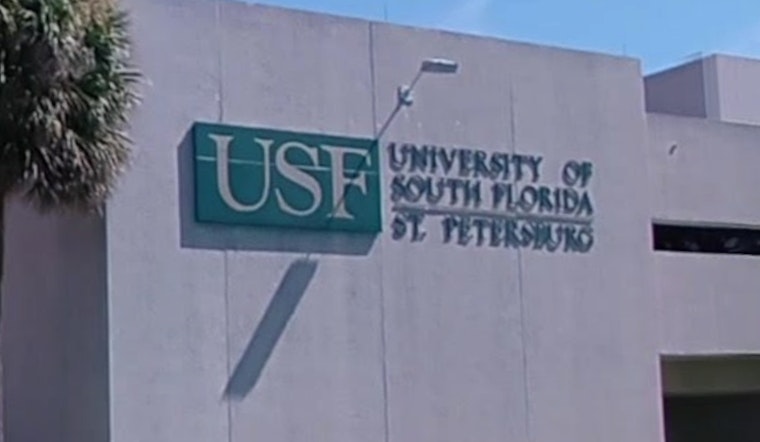
University of South Florida researchers are moving their homegrown technology straight into the heart of federal human-trafficking work, after signing a formal agreement Friday with Homeland Security Investigations. The memorandum of understanding brings USF’s BRIGHT Project platform into HSI offices in Tampa and Miami so agents and caseworkers can move survivors more quickly to shelter, health care and counseling. Officials say combining service navigation with data tools should help investigators triage tips faster and keep fewer victims from slipping through the cracks.
Federal MOU Signed at HSI Tampa
The memorandum was signed May 22 at HSI’s Tampa office, cementing an operational relationship between federal special agents and university researchers. As detailed by USF St. Petersburg, HSI Tampa acting Special Agent in Charge Micah McCombs called the collaboration "truly a force multiplier" for victim-centered investigations. The agreement makes BRIGHT the TIP Lab's first official law-enforcement partnership and is designed to standardize how survivors are identified and stabilized during federal probes.
What BRIGHT Does
The BRIGHT Project, short for Bridging Resources and Information Gaps in Human Trafficking, serves as a directory and referral network that links survivors to emergency housing, medical care and other services while preserving case information for investigators. According to FOX 13 Tampa Bay, leaders signed the memorandum to expand a tool already in use by service providers across Florida. "The Bright Network enhances our ability to rapidly connect survivors with essential services, including safe housing, healthcare, counseling and other critical resources," Jose R. Figueroa, acting special agent in charge for HSI Miami, told the station.
Why Tampa Bay Is a Focus
Human-trafficking statistics put Florida near the top of national case volume and make the Tampa Bay region a key target for intervention. National hotline data list Florida among the states with the highest identified trafficking cases, according to the National Human Trafficking Hotline, and a county semi-annual report from Hillsborough County notes the county identified 27 trafficking locations, second in the state behind Miami-Dade. Local reports and law-enforcement operations catalog hundreds of commercial-sex ads and dozens of illicit-massage businesses, underscoring why officials say faster coordination could save lives.
How the Tech Will Help Investigations
USF's Trafficking in Persons, Risk to Resilience Lab built BRIGHT alongside TIPSTR, a data repository created to map patterns and track cases across agencies. The lab's materials report that the BRIGHT Network has been adopted by dozens of providers and has helped connect victims with resources, while researchers develop filters and triage tools to help agents sort high volumes of tips. As outlined by the USF TIP Lab, the platform is also being used to evaluate which response strategies are linked to better survivor outcomes.
What's Next
Officials have not released a public timeline for extending the HSI partnership beyond the Tampa Bay pilot, leaving open questions about how quickly federal field offices could adopt the tools. FOX 13 Tampa Bay noted that implementation dates and the number of dedicated staff were not specified. For now, USF and its partners say the focus is on proving that faster service connections, combined with smarter data triage, can measurably improve short-term safety and long-term recovery for survivors.





