

























































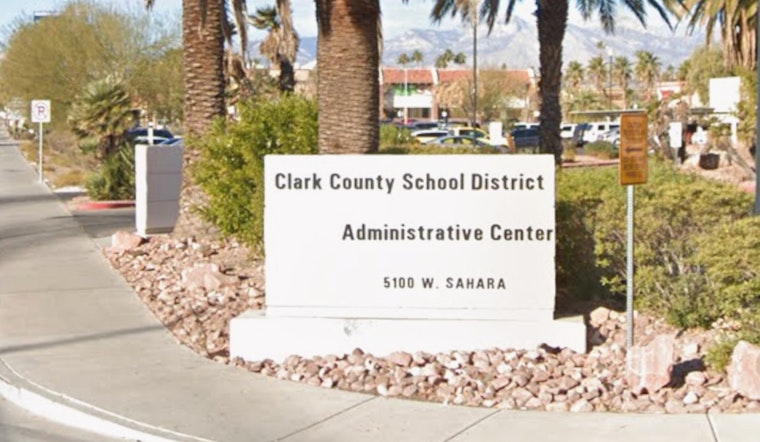
The Clark County School District Board of Trustees has officially eased up on what students can wear at high-school graduation, voting Thursday to expand options for stoles and cap decorations and to scrap mandatory pre-approvals. The move, taken at the board’s May 7 meeting, effectively ends a closely watched legal battle over regalia that pulled in a federal court last year. The ACLU of Nevada says the vote brings its lawsuit to a close.
What Changed At Graduation
Under the updated rules, graduates may wear up to five stoles and decorate their caps, as long as the decorations lie flat. Any decorations on gowns cannot cover more than 25 percent of the fabric, and schools may still block items that are lewd, harassing, or likely to substantially disrupt the ceremony, according to CCSD Regulation R-5129.
Trustees adopted the changes at their May 7 meeting. The board also removed the requirement that stoles and cap art be pre-approved and set up an appeal process for items that are denied, as reported by KSNV.
The Court Fight That Pushed The Change
The policy shift follows a lawsuit filed by the ACLU on behalf of East Career & Technical Academy senior Corie Humphrey, who wanted to wear a stole reading “Black Girl Magic” at graduation, according to the ACLU’s complaint and motion (ACLU of Nevada).
An emergency stipulation and order issued in May 2025 directed that students be allowed to wear up to five stoles and flat cap decorations, provided they are not lewd or disruptive, according to Justia. The board’s new policy effectively folds those temporary court rules into district practice.
ACLU And Local Reaction
“Students and families deserve to be able to mark graduation in a way that honors their culture and their journeys without school officials trying to be the arbiters of the First Amendment,” ACLU of Nevada Executive Director Athar Haseebullah said, as reported by KSNV.
Advocates say the combination of the court action and the board’s changes gives students clearer rules while still letting schools intervene when a decoration would truly disrupt a ceremony.
How Appeals And Tribal Regalia Law Work
Nevada law already guarantees students the right to wear traditional tribal regalia or other objects of religious or cultural significance at graduation. It also sets an appeal process to the Superintendent of Public Instruction, and any request is deemed granted if no decision is issued within five business days, according to NRS 388.915.
CCSD Regulation R-5129 points schools to separate administrative guidance that will be used to review contested items under the new policy.
The change arrives just as the district begins its spring commencement season, and local coverage notes that families can now use the new appeal path if a school denies a stole or cap decoration. Observers say the mix of state statute and federal First Amendment questions will keep other districts and civil-rights groups watching how this plays out. The Review-Journal has been tracking the case and its fallout.



