

























































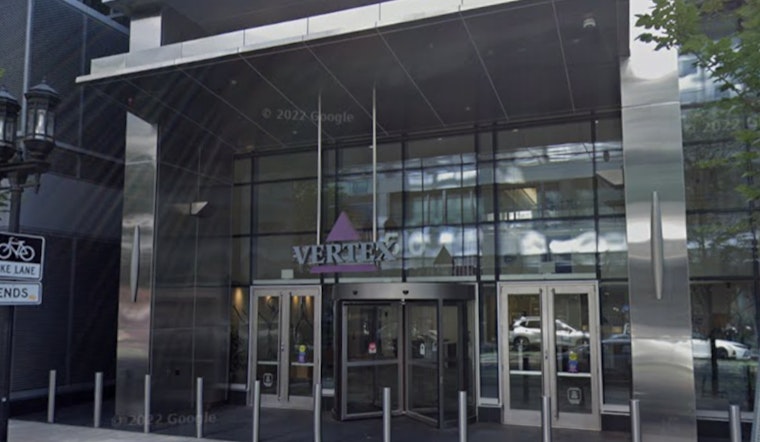
Boston's biotech hub just watched a closely watched experiment get pulled from the field. Vertex Pharmaceuticals said Monday it will discontinue the Phase 1/2 study of VX-522, an inhaled mRNA cystic fibrosis therapy developed with Moderna, after persistent tolerability problems that caused lung inflammation in some participants. The move takes a high-profile inhaled strategy off the table for people who cannot benefit from current CFTR modulators and will halt dosing as the companies wind down study sites. For the local biotech scene, it is a sharp reminder that delivery and immune-response hurdles still vex even the best funded programs.
"Despite actions we have taken in the trial to overcome these issues, we have not been able to do so, and as such, we have chosen to discontinue the program," Vertex CEO Reshma Kewalramani told investors on the company's earnings call, according to Motley Fool. Management said the tolerability signal involved lung inflammation that they believe was probably related to the lipid nanoparticle, or LNP, used to deliver the mRNA. Vertex said it will work with clinical sites to close out the study over the coming weeks.
In a blog post, Moderna called the outcome "disappointing" and said the early termination prevents assessment of efficacy or full safety, which in turn blocks further development of VX-522. The company noted that the inhaled candidate was its only pulmonary therapeutic approach and said lessons from the effort will guide other mRNA programs. Moderna also publicly thanked trial participants, site staff and investigators for their work on the collaboration.
Program Background And Who It Was For
VX-522, also referenced as mRNA-3692 in company materials, was designed as an inhaled, LNP-encapsulated CFTR mRNA therapy and was being tested in a Phase 1/2 dose escalation study listed on ClinicalTrials.gov. Vertex had said the approach was aimed at roughly 5,000 people with cystic fibrosis who do not produce modulator responsive CFTR protein, a figure the company described in an earlier press release. With the program now discontinued, that particular delivery route will not move forward toward establishing benefit for that hard to treat group.
Why Lung Delivery Is A Hard Problem
Across the field, researchers have struggled to deliver nucleic acids to the lung without triggering inflammation, since formulation and dose can provoke brisk immune responses, according to reporting and analysis in the trade press and scientific literature. Fierce Biotech highlighted the tolerability signal in VX-522 and the program's earlier pause, while a review on PubMed Central details the technical challenges of pulmonary LNP delivery and immune activation. Company leaders said those scientific constraints factored into the choice to stop VX-522 instead of pushing ahead with further dosing.
What Comes Next For Vertex And Moderna
Vertex told investors it remains committed to developing treatments for all people with cystic fibrosis and will pivot toward alternate modalities and next generation small molecules while it works through the implications of the VX-522 shutdown, according to Vertex's presentation. Moderna said the issue does not have broader implications for its mRNA portfolio and that both companies will carry the scientific lessons into future work. Industry watchers said the move underscores the risk of translating LNP based delivery from vaccines to chronic lung diseases.
The first detailed coverage of the discontinuation came from the Boston Business Journal, which reported the companies' announcements late Monday. For patients and families waiting on fresh options, the news is a setback, and for researchers across Boston and beyond, it is a cue to double down on safer, more targeted pulmonary delivery strategies.





