

























































Warren-based trucking carrier Central Transport is on the hook for $5.5 million after federal civil rights officials said the company spent at least a decade shutting out qualified women from truck driving jobs across the country. The settlement, wrapped into a consent decree, sends money to four named plaintiffs and a larger class of rejected applicants, and it forces the company to overhaul its hiring rules, beef up recordkeeping and accept outside oversight. At the heart of the case are allegations that some terminals regularly picked less-qualified men while tossing applications from women.
What the consent decree requires
According to a press release from the EEOC, Central Transport agreed in federal court to pay $5.5 million and bring in an outside consultant to comb through its hiring practices. The company must provide anti-discrimination training, improve how it tracks applications and records decisions, and allow affected women to reapply without fear of retaliation. “It is illegal for employers to refuse to hire women because of their sex,” EEOC Phoenix regional attorney Mary Jo O'Neill said in the agency’s statement. The commission said it went to court after hearing reports that terminal-level hiring habits were stacked against female applicants.
Local ties: the Moroun family
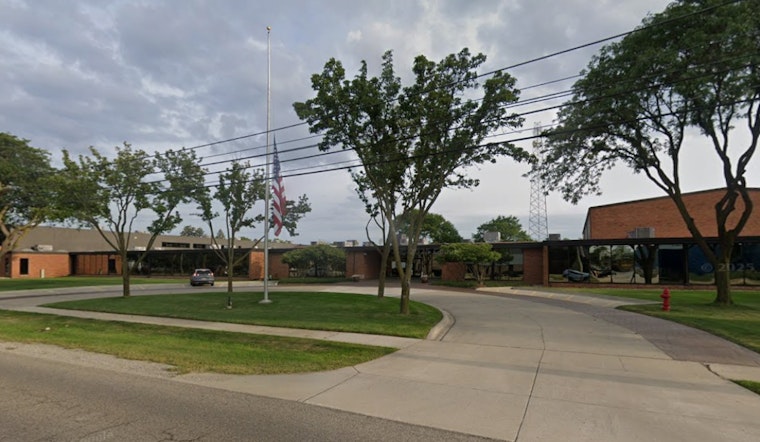
Central Transport sits inside the Moroun family’s CenTra holding group and runs its headquarters out of Warren, Michigan, with more than 200 terminals nationwide, as reported by The Detroit News. Corporate filings and SEC records link the carrier to CenTra and to the Morouns’ wider transportation portfolio, which has included bridge and logistics operations. That web of local assets means this discrimination case is more than a legal line item and is likely to get close attention around metro Detroit.
Women in trucking
The dispute lands in an industry where women remain a small slice of the driving workforce. The latest Women In Trucking Index for 2024-25 estimates that about 9.5% of professional drivers with commercial driver’s licenses are women, with the percentage shifting depending on carrier size and how companies count their drivers. Industry surveys continue to flag safety concerns, childcare responsibilities and long-standing cultural barriers as obstacles that keep many women out of the cab. Advocates say cases like this one matter because they go after alleged systemic hiring patterns and force companies to put real policies on paper instead of relying on informal habits. At the same time, carriers are juggling public-relations risks and a tight labor market as they try to recruit from a broader talent pool.
Court docket and oversight
Court records show the lawsuit was filed as EEOC v. Central Transport, LLC (No. 2:26-cv-02201-JJT) in the U.S. District Court for the District of Arizona, and that Judge John J. Tuchi entered the consent decree, according to Bloomberg Law. The deal ends the current round of federal litigation but does not simply cut a check and walk away. Under the decree, Central Transport faces ongoing oversight, including a monitor and regular reporting, intended to make sure the policy changes and recordkeeping fixes actually happen. Legal observers note that these structural requirements are designed to both compensate the women who were passed over and reduce the odds that the same patterns resurface.
What comes next
According to court filings summarized by Law360, the $5.5 million payout will be split among the four original complainants and a broader class of female applicants who say they were denied jobs because of their sex. Central Transport, for its part, must hire an outside consultant and roll out training and monitoring programs to back up its new hiring policies. Labor and civil-rights groups are already pointing to the case as a marker of renewed regulatory interest in systemic hiring discrimination. The settlement is expected to surface in future enforcement efforts and private lawsuits as a reference point for what “fixing” a company’s hiring practices is supposed to look like, at the same time, trucking firms scramble to fill empty driver seats.





