

























































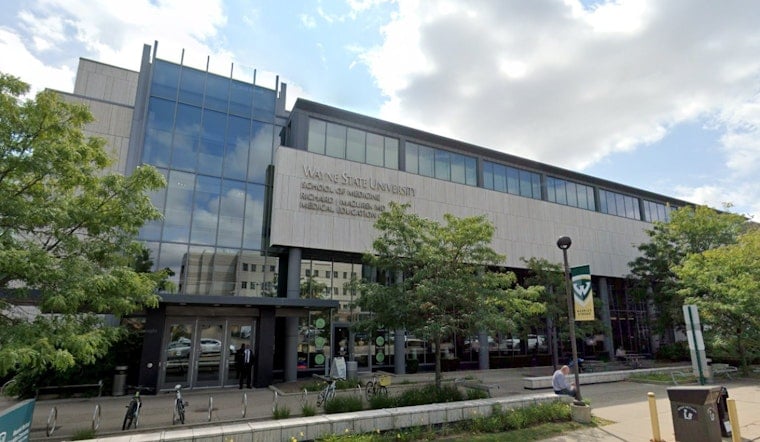
Wayne State University's School of Medicine is in the hot seat as internal records paint a picture of a volatile work environment under Dean Wael Sakr, with some employees describing the atmosphere as "toxic." Documents obtained through a public-records request detail shouting, slammed doors, and tense confrontations that staff say left them nervous about speaking up. The fallout has rattled leadership and raised new questions about how universities probe complaints against powerful administrators.
Records allege pattern of intimidation
According to the Detroit Free Press, notes from an internal investigation released under a FOIA request describe a series of incidents in which Sakr allegedly screamed at subordinates, slammed doors, and disrespected colleagues. Investigators were also told that he once played video games on his work computer. One employee said he came into her office "sitting a foot from me" and acting "angry, hostile," while others said staff were left "walking on eggshells." The Free Press reports that these accounts come from interviews and case notes in the medical school's investigatory file.
Campus fallout and leadership shake-up
Wayne State put Sakr on paid administrative leave in August 2025, then returned him to the dean's chair roughly six weeks later after a wave of support from faculty and students, Michigan Public reported. The move did not calm the waters. Interim dean Dr. David Rosenberg resigned in protest, and President Kimberly Espy later stepped down, escalating scrutiny of how the university handles personnel investigations. Nearly 200 faculty and staff signed a letter demanding due process and calling for Sakr's reinstatement unless specific, substantiated allegations were produced, according to Michigan News Source.
Investigation outcome and corrective steps
Documents reviewed by the Detroit Free Press state that investigators did not find conclusive evidence that Sakr violated university policy. At the same time, the records say he "did not show signs of remorse" and frequently shifted blame onto subordinates. A university letter dated Oct. 31, 2025, directed Sakr to complete six months of executive coaching focused on emotional self-regulation, conflict management, and building trust. Those records, released only after a FOIA request that took months to fulfill, offer more detail than the university made public when it first announced his leave.
About the dean
Dr. Wael Sakr earned his medical degree from the University of Damascus and has spent decades on the Wayne State faculty. His official bio cites long-running clinical research and leadership posts at hospitals affiliated with the university, according to the medical school's website. Supporters have leaned on that track record in calling for a clear and fair process around the investigation. The controversy has underscored sharp divisions on campus over governance, transparency, and how to balance personnel confidentiality with the public's right to know.
Legal context
Separate from the workplace complaints, a federal civil lawsuit filed in 2023 accuses Sakr of racial discrimination in a hiring decision, according to reporting by Atlanta Black Star. The suit names Sakr and other university officials and remains pending, adding a legal subplot to the already heated debate over fairness and oversight at the medical school. Wayne State has generally declined to comment on personnel issues while the litigation and internal reviews are underway.
What's next for the school
University trustees have launched a search for new leadership at the top, and faculty leaders say the school needs clearer, quicker procedures for handling complaints so employees and students are not left in limbo for months. The FOIA disclosures and subsequent coverage have intensified calls for transparency as Wayne State's board weighs possible governance reforms, Michigan Public reported. For now, the medical school remains divided between those who see the records as confirmation of a damaging workplace culture and those who argue that the absence of proven policy violations shows the university ultimately followed due process.





