

























































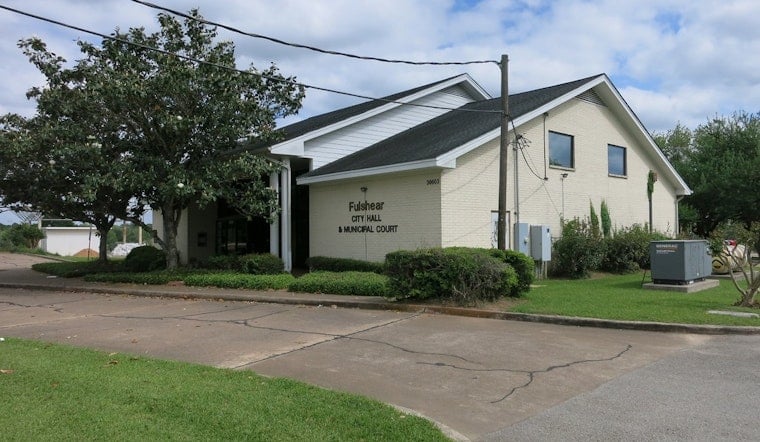
West Houston’s suburban fringe is not just growing, it is sprinting. Three ZIP codes on the metro’s west side muscled their way onto RentCafe’s list of the nation’s 50 fastest-growing “new neighborhoods” this week: Fulshear’s 77441 grabbed the No. 4 spot, Katy’s 77493 landed at No. 25 and Richmond’s 77407 slid in at No. 45.
The standout is 77441, where housing inventory jumped from roughly 2,100 units in 2014 to about 10,600 in 2023 as former fields gave way to master-planned communities and new apartment projects. For longtime residents, the rankings simply put national numbers behind what they have already seen on the ground: the metro’s far-west edge has been almost completely re-drawn in the last decade.
How RentCafe Picked the Newest Neighborhoods
The list is built from U.S. Census Bureau housing and population data covering 2014 through 2023, with RentCafe limiting its look to ZIP codes that had at least 1,000 housing units by 2023. To qualify, an area also had to post at least a 51 percent increase in housing inventory and maintain an occupancy rate of 89.5 percent or higher, according to RentCafe.
Those filters naturally pull in Sun Belt suburbs where big master-planned subdivisions and sizable apartment complexes have added thousands of homes within a relatively short window.
Local Numbers: Fulshear, Katy and Richmond
Local reporting notes that 77441, covering the Fulshear area along FM 1093 near FM 1463, added more than 2,100 homes between 2014 and 2023 and now counts over 10,600 housing units. That makes it the fastest-growing ZIP code in Texas and No. 4 in the country, as reported by KHOU.
Katy’s 77493 expanded its housing stock by roughly 151 percent over that same period to reach about 20,500 units, while Richmond’s 77407 grew by about 123 percent. The surge reflects a mix of large single-family subdivisions and a steady pipeline of apartments and townhomes across the western suburbs.
Why Builders Keep Pushing West
According to RentCafe, proximity to Houston job hubs such as the Energy Corridor and the Texas Medical Center, combined with relatively plentiful land for development, sits at the heart of the west-side construction streak. The study also points out that Texas claims 17 of the top 50 ZIP codes, highlighting a broader statewide tilt toward suburban, master-planned growth.
All that fresh inventory can take a bit of pressure off housing supply, but it also piles on new demands for roads, schools and drainage in communities that, in some cases, are still building out basic services.
What to Watch Next
Local planners and residents are now focused on whether infrastructure, school capacity and flood insurance options can keep up with the rapid build-out. Those concerns have been flagged as growth accelerates, according to Houston Agent Magazine.
The rankings function as a snapshot of where builders have clustered new supply and how that may reshape commute patterns and property-tax bases across Fort Bend and Harris counties. For buyers, renters and policymakers, the list is a pointed reminder that growth across the Houston area is anything but evenly spread.




