

























































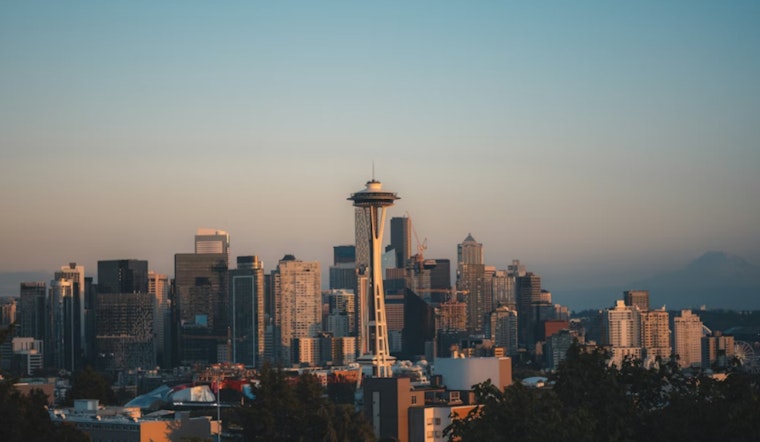
Seattle-Tacoma has landed in a top 10 nobody is bragging about. The metro now ranks eighth-worst in the United States for short-term fine-particle pollution, a sign that wildfire smoke is reshaping the region’s air quality and pushing haze from seasonal nuisance into a real public health problem.
What the new report found
The American Lung Association’s State of the Air 2026 report ranks the Seattle-Tacoma area eighth-worst nationwide for daily fine particulate pollution, with the trend tied largely to increasingly severe wildfire smoke drifting in from Washington, Oregon, British Columbia and California, according to the American Lung Association. Using 2022-2024 monitoring data and a weighted-average method, the report compares spikes in 24-hour PM2.5 levels across metropolitan areas. These short-term PM2.5 surges are linked to immediate health impacts, including asthma attacks and heart problems.
Who’s most at risk
“Smoke from wildfires continues to be reflected in the severity of the grades for particle pollution,” the report notes. Its tables show the Seattle-Tacoma metro includes more than 1 million children under 18, about 831,000 adults over 65, roughly 448,000 adults with asthma and 184,000 people living with COPD, according to the American Lung Association. PM2.5 particles are small enough to burrow deep into the lungs and enter the bloodstream, and have been linked to asthma attacks, heart disease, stroke and premature death.
Data centers, AI and electricity demand
The report also flags booming electricity demand and data center growth as emerging pressures on air quality, warning that higher power use can drive both upstream emissions and pollution from local generators. Independent research backs up that warning. The 2024 United States Data Center Energy Usage Report finds that data centers used roughly 4.4% of U.S. electricity in 2023, and estimates that share could climb to 6.7-12% by 2028, according to Lawrence Berkeley National Laboratory.
What residents can do on smoky days
Local health departments are urging residents to treat smoky days like serious weather events. If the Air Quality Index hits 150 or higher, people are advised to stay indoors. At 100 or higher, children, older adults, pregnant people and anyone with lung or heart conditions should avoid strenuous activity outside and consider an N95 mask if they need to go out. Running an HVAC system with a MERV-13 or higher filter, using portable HEPA air cleaners in occupied rooms, keeping windows closed and avoiding indoor activities that generate particles are all recommended steps, according to the Snohomish County Health Department. Employers and schools are urged to monitor AQI forecasts and adjust outdoor work, sports and events when smoke is in the forecast.
Why this matters
The American Lung Association’s new ranking underscores how quickly climate-driven wildfires are reshaping the region’s air profile and increasing risks for vulnerable residents. Local coverage has highlighted the shift and what it could mean for public health and energy policy in the years ahead, according to KOMO News.





