

























































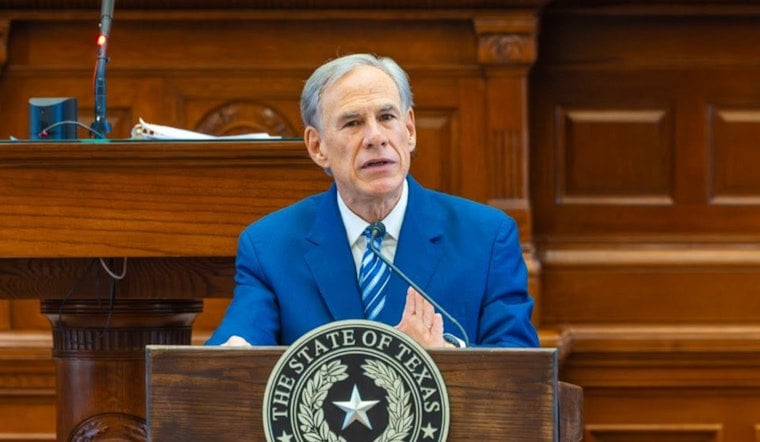
Gov. Greg Abbott is putting more than $750 million on the table for over 65,000 teachers across Texas, a cash infusion state officials say is aimed squarely at keeping high-performing educators in the classroom and giving more students access to top-tier instruction. The money comes through the state’s Teacher Incentive Allotment, following recent legislative tweaks that boosted funding levels and made it easier for districts to join. Districts that do participate can target the biggest payouts to campuses that earn the most teacher designations, with local leaders deciding how the money shows up in paychecks.
How The Teacher Incentive Allotment Works
The Teacher Incentive Allotment, run by the Texas Education Agency, adds extra state dollars for teachers who earn local designations such as Recognized, Exemplary or Master. According to the Texas Education Agency, most of that money is meant to land in teacher compensation at the campus level. Districts must build and submit their own local designation systems and data for state validation before any of the funds are released.
Abbott's Announcement And The Numbers
In a post from the Governor Abbott Press Office, the governor’s team said the latest round of Teacher Incentive Allotment awards tops $750 million and will reach more than 65,000 teachers statewide. The post cited Texas Tech University research, which the governor’s office described as finding roughly a 20% boost in retention for districts’ most effective teachers, along with about one third of a year of additional gains in math and reading.
The announcement also noted that 809 school systems participated in the 2025–26 school year, with expectations that more districts will sign on this fall. Abbott’s office framed the program as one piece of a broader strategy to recognize standout teachers, help districts recruit and retain staff, and make sure the biggest incentives line up with the strongest classroom results.
Early Research Points To Gains
A working paper from Texas Tech that looked at the program’s first cohort of districts linked the Teacher Incentive Allotment to lower teacher turnover in the early years and “moderately and meaningfully” better math and reading outcomes. Those gains were especially clear for teachers with three to five years of experience, suggesting that mid-career educators may be particularly responsive to the incentives.
Rice University’s Kinder Institute has been tracking how quickly the program has grown and reports that roughly 800 districts have participated so far, with more than $1 billion distributed since launch. State leaders have leaned on that scale and growth when making the case for sending even more money into the allotment.
District Reaction And Teacher Takeaways
District leaders and teachers featured in the governor’s announcement highlighted the program’s role in keeping strong educators on staff and drawing talent to rural schools. The release pointed to Allison Martin of Aspermont ISD and quoted Dr. Wendy Eldredge saying that “TIA helped retain 91% of our top teachers” in the 2024–25 school year.
Exactly how the new wave of funding shows up in individual checks will depend on each district’s spending plan. Current TEA guidance continues to push most of the allotment money toward ongoing campus-level compensation instead of one-time bonuses, which means the effect on any single teacher’s pay will vary from district to district.
What Comes Next
State officials and researchers say the next stretch will be crucial in testing whether higher allotments and broader district participation can keep delivering the retention and learning gains early adopters saw. The Kinder Institute expects the number of participating districts to cross the 1,000 mark soon.
This summer, district leaders will map out how to use the new money for the 2026–27 school year, deciding how much becomes targeted stipends, permanent raises or wider shifts in campus compensation. The results, in both staffing stability and student performance, will tell Texans whether this big bet on teacher incentives is paying off in the classroom.





