

























































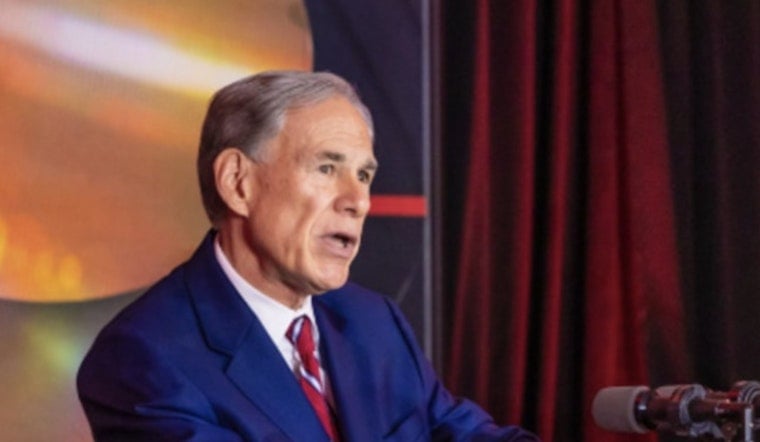
Gov. Greg Abbott on Wednesday told Texas regulators he wants hyperscale data centers to stop leaning on everyday customers to bankroll their power hookups, ordering them to shift the costs of connecting to and upgrading the state's electric grid onto the facilities themselves. In a directive to the Public Utility Commission of Texas and ERCOT, Abbott argued that Texans should not be subsidizing the server farms riding the current AI wave and pressed regulators to move fast to shield communities and natural resources as data center demand explodes across the state.
Abbott framed the move as a consumer protection play meant to keep transmission expenses from landing on residential bills while also guarding local water supplies and environmental resources. The order arrives as Texas faces a crush of proposed data center projects and intensifying debates over who pays for the power lines, plants and water systems that support them.
His press office posted the directive on X, saying the plan "requires data centers to cover their own infrastructure costs" and urging the PUC and ERCOT to act immediately to lower transmission costs for residents. The social media post boiled down the governor's one page letter to regulators and highlighted items he wants on the agenda for the 2027 legislative session, with his team casting the package as a way to keep unchecked development from steamrolling communities and straining local resources.
Read Gov. Abbott’s directive here: https://t.co/DvdtkYzpRV
— Governor Abbott Press Office (@govabbottpress) Jun 10, 2026
What Abbott Wants From Regulators
In the letter to the PUC and ERCOT, Abbott asks that new data centers be required to bring some of their own power to the table through on-site generation or other contributions to overall generation capacity. He also wants developers to pay the full cost of interconnection and transmission upgrades tied to their projects and to install closed-loop water systems to limit how much they pull from local supplies.
The directive further calls for annual public reporting of power and water use by these facilities and a fresh look at tax incentives, including ending certain sales tax exemptions Abbott labeled "outdated." Those recommendations, along with a copy of the directive itself, were laid out by The Texas Tribune.
Texas Grid Already Under Pressure
ERCOT grid planners have been racing to handle a surge of large load applications from data center developers. ERCOT's board recently voted to adjust how those requests are reviewed so the timelines better match what is likely to get built rather than every speculative proposal on paper. As reported by the Houston Chronicle, ERCOT and the PUC are tightening interconnection criteria and financial security rules so projects do not incur costs that end up on ratepayer bills.
ERCOT's board materials show the grid operator studying hundreds of gigawatts of proposed demand and updating its processes to cope with that volume of potential new load.
Local Projects Already Getting Repriced
State leaders have begun using public financing tools for transmission and generation projects that support new server campuses, and the terms are drawing fresh scrutiny. A recent low-interest state loan for a 570 megawatt gas plant in Sherman is a prominent example of that shift. Sherman scores 570 megawatt gas plant coverage explains how the loan and related approvals helped move the project ahead.
The PUC has also signed off on extra high voltage transmission projects intended to push more power into high-growth corridors, according to a PUC news release.
What Happens Next For Data Centers
Abbott's letter now folds into PUC rulemaking already underway after lawmakers passed SB6 last year, which gave regulators new authority over large loads and interconnection costs. Legal analysts expect the PUC and ERCOT to spend months converting the governor's wish list into enforceable rules and caution that some pieces may ultimately require legislative approval instead of a simple agency vote.
Industry attorneys told Pillsbury that developers may have to rethink project budgets if transmission and interconnection expenses are no longer quietly socialized across ratepayers.
How aggressively regulators push developers to absorb those costs and whether lawmakers choose to preserve or pare back incentives will shape where and how AI era server farms land in Texas. Community and environmental groups are gearing up to press for strict water and noise limits, while industry voices warn that piling on upfront charges could slow or divert investment. For now, Abbott's directive sets the political ground rule: state officials say ordinary electric customers should not be stuck paying for corporate expansion, and the next several months will reveal whether regulators and developers can hammer out a deal everyone can live with.





