

























































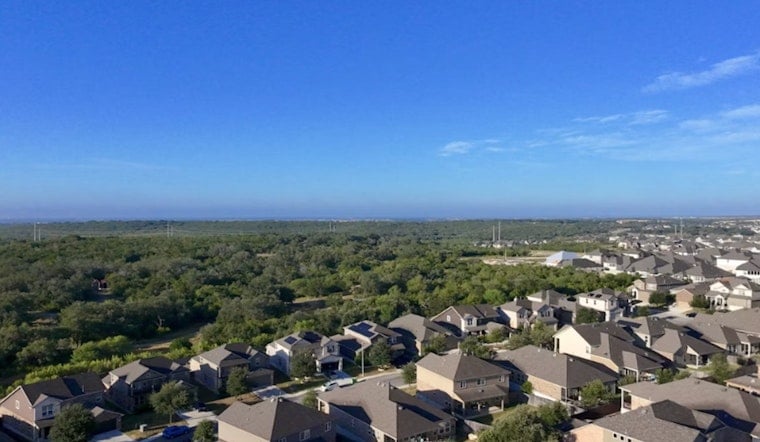
National home-flipping profits finally nudged higher in the first quarter of 2026, but San Antonio is still one of the tougher places in the country to make a deal work. Local investors are staring down skinny margins, caught between steep purchase prices and renovation budgets that only seem to climb.
As the San Antonio Business Journal reported Tuesday, the metro's flipping returns came in below Houston's but ahead of Dallas and Austin. Even with that modest edge over some Texas rivals, the piece notes that San Antonio's spreads still land well under the national average at a time when investors elsewhere are finally seeing a bit of relief.
What the ATTOM data shows
According to ATTOM, 64,348 single-family homes and condos were flipped in the first quarter, roughly 8 percent of all home sales, and the typical gross return climbed to 25.4 percent nationwide. The report puts the typical gross profit at about $66,000, with the average flip taking around 165 days from purchase to resale. Among the country's largest metros, ATTOM found the thinnest typical profit margins in Austin (2 percent), Dallas (4.3 percent), San Antonio (5.1 percent) and Houston (7.2 percent). "The first increase in flipping returns in nearly two years is a welcome sign for investors," ATTOM CEO Rob Barber said in the release.
Why San Antonio lags
Local analysts and investors point to a tough mix of high acquisition costs, pricier materials and labor, and intense competition from all-cash buyers that keeps local spreads under pressure. The San Antonio Express-News has reported that the metro's gross flipping profits rank among the lowest in the country as costs have risen faster than resale values, squeezing net returns for rehabbers. Longer hold times only add to the risk, turning minor budget overruns into potential deal killers for San Antonio flippers.
What flippers and buyers should watch
ATTOM also notes that its gross-profit figures leave out renovation and carrying costs, which seasoned investors say often total 20 to 33 percent of a property's after-repair value. That means the headline margins can significantly overstate what actually lands in an investor's pocket. The same data shows flips purchased in the roughly $100,000 to $200,000 range delivered the strongest typical returns, suggesting that a tighter, mid-market focus may currently offer the most reliable path back to profit. ATTOM's numbers highlight strict cost control and cautious bidding as the most obvious ways to protect what is already a very thin spread.
For now, that modest national rebound is not doing much for many San Antonio investors who are still grinding out single-digit margins. Unless purchase prices ease or renovation costs back off, flipping in the Alamo City is likely to remain a high-risk, low-reward proposition for the foreseeable future.





