

























































New York’s Medicaid bureaucracy is bracing for a surge of red tape, with state officials warning that new federal work rules could jack up enrollment and administrative costs by roughly 20 percent. Translating that into budget language, they are talking about about $500 million more every year for eligibility checks, renewals and outreach. The warning landed as state Medicaid leaders briefed members of Congress and budget analysts on how hard the rule could hit day-to-day operations.
What Bassiri told Congress
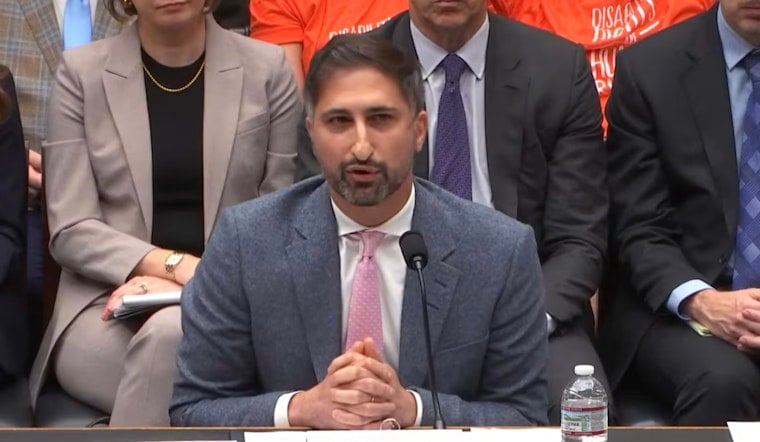
Testifying before a House Energy and Commerce subcommittee on June 25, New York Medicaid Director Amir Bassiri laid out what the rules would mean in practice. More frequent redeterminations, new verification steps and expanded outreach would significantly increase his agency’s daily workload, according to the House committee. Reporting from Crain's New York recaps his testimony and the department’s worries about how to staff up and actually carry out the changes.
Where the 20 percent number comes from
The estimate of about a 20 percent spike in state administrative costs - roughly $500 million a year - shows up in internal briefings and legal analyses prepared for Albany. That figure is detailed in a policy review from the New York State Bar Association, which also notes how Gov. Kathy Hochul’s office has framed the price tag for New York.
Federal rule and deadlines
The Centers for Medicare & Medicaid Services rolled out an interim final rule this month spelling out how states must verify 80 hours of work or qualifying activities and tighten renewal schedules. The rule is published in the Federal Register and is written to take effect July 31, 2026, with states expected to have their programs up and running by Jan. 1, 2027, according to the official rule text. Analysts at the Kaiser Family Foundation and other research groups have warned that the biggest driver of coverage loss is likely to be administrative hurdles, not whether people are actually working.
How New York plans to handle it
Bassiri has said New York plans to buy new verification software, launch a mobile app and expand community-based navigators so enrollees can document that they meet the community-engagement standard, according to an in-depth interview and profile of the state’s planning. National coverage has pointed out that the technology and systems bill will be sizable and that CMS is carving out some federal funding to help states modernize eligibility systems, even as states are still on the hook for part of the implementation costs.
Local impact and what to watch
Fiscal analysts warn that shifting more administrative burden onto the state, along with the new cost pressure, could squeeze local budgets and safety-net providers if enrollment drops and more people show up uninsured. Testimony focused on New York City and analyses prepared for local officials outline how exposed city providers and municipal budgets could be as the new rules roll out.
Legal and regulatory outlook
Because CMS used an interim final rule, the agency is taking public comments through July 31, 2026 while parts of the policy are already scheduled to kick in. That timing tightens the planning window and leaves a narrower lane for potential legal challenges. During the June 25 hearing, members of the House Energy and Commerce panel pressed state witnesses on program integrity and oversight, signaling that congressional scrutiny is not going away.
What to watch next: how the state handles procurement and outreach plans this summer, the federal public comment window on the rule, and fall budget decisions that will determine how much of the new administrative bill Albany covers itself or passes along to localities and providers. Officials say New York’s choices on software, staffing and community assistance will largely decide whether the shift results in necessary but pricey upgrades or in steeper coverage losses.



