

























































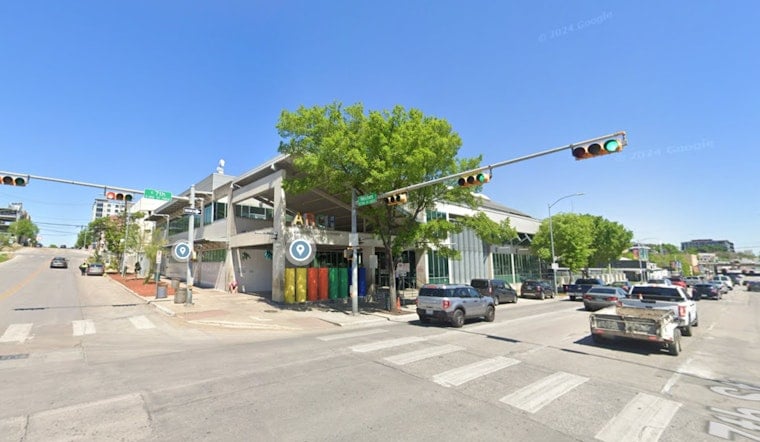
Tucked in an alley between two longtime downtown shelters, a newly reopened site is trying to give Austin’s unhoused residents a safer place to land during the day. The Sow Community Resource Hub reopened June 15 as a low-barrier daytime refuge for people living without homes, offering meals, restrooms, showers, and on-site casework in a part of downtown that has had few daylight options.
The idea is straightforward and urgent: provide a staffed place where people can cool off, get basic medical referrals, and start the long process toward housing or treatment. Organizers say the hub is designed to cut down on exposure-related harms during Austin’s hottest months while linking guests directly into the city’s broader homelessness response network.
Services, hours, and funding
The hub is open Monday through Friday from 9 a.m. to 6 p.m., offering weekday access to meals, showers, bathrooms, case management, employment support, and referrals to housing and health care, as reported by the Austin American-Statesman. The Sow Family Foundation covered the site’s redevelopment and is privately funding operations for now.
City leaders have signaled that the hub could expand to evenings and weekends if additional money comes through. For the moment, the focus is on keeping the doors open on weekdays and gathering enough data to make the case for more support.
Who will run it
The nonprofit Endeavors is handling the hub’s day-to-day operations and staffing. Endeavors, which runs shelter, rapid-response, and case-management programs across Texas, describes its work as spanning shelter support, case management, and rapid deployment services, according to the Endeavors website.
Organizers say those existing tools will be put to work to connect hub guests into the larger system of services. City officials contracted for the service as an emergency measure last year and say the hub is meant to plug directly into established pathways to housing and care, rather than operate as a stand-alone drop-in center.
Why this matters now
Recent local data underscore why a cooled, staffed daytime space is more than just a convenience. A 2025 report by the Ending Community Homelessness Coalition found that more than 1,000 unhoused people died in Austin and Travis County between 2018 and 2023, and identified heat as one of the leading causes, including at least 20 heat-related deaths during that period, according to the Ending Community Homelessness Coalition.
Advocates and service providers say a staffed daytime hub gives people a crucial option to avoid life-threatening exposure, get referrals, and begin what they hope will be an exit from the street. In a city where summer temperatures routinely climb into dangerous territory, simple access to water, shade, and a caseworker can be the difference between survival and tragedy.
Neighbors and staff react
People who rely on nearby shelters, along with outreach workers in the area, have largely welcomed the new daytime option. “It’s an investment in people and community,” Zo Qadri said of the hub, while David Gray described it as a critical, low-barrier entry point into services. Those comments, along with broader reporting on the hub, were documented by the Austin American-Statesman.
Organizers frame the hub as an immediate, pragmatic step while the city and its service providers try to build out longer-term housing and treatment capacity. If funding eventually supports evening and weekend hours, leaders say this site will stand as one of several incremental moves aimed at keeping people safer and carving out a clearer pathway off the streets. Until then, it will operate on weekdays while partners measure demand and search for resources to grow what they have started.





