

























































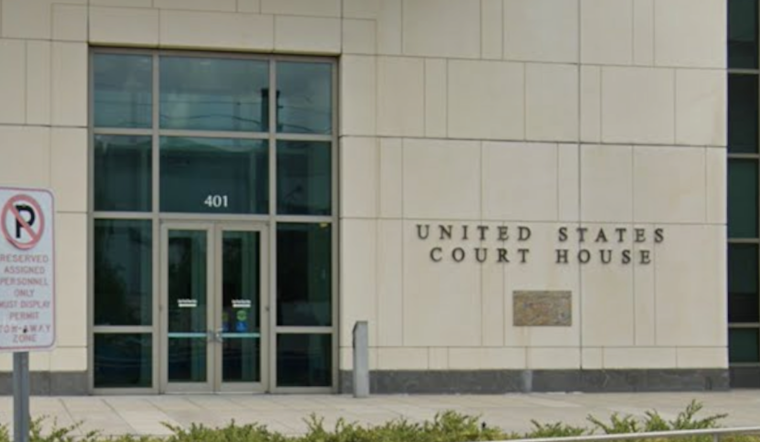
A federal appeals court has carved up Daytona Beach’s 2019 panhandling ordinance, ruling that several major pieces violate the First Amendment while breathing life back into other sections that had been on ice. The split decision trims back a sweeping 2024 order that had virtually shut the law down, leaving some rules permanently off-limits and others potentially enforceable again unless the city pushes the case further.
What the appeals court held
A three-judge panel of the U.S. Court of Appeals for the Eleventh Circuit found that Daytona Beach’s ordinance puts content-based limits on requests for immediate donations and that several of the challenged rules cannot survive strict scrutiny. At the same time, the panel concluded that the district court went too far when it blocked the entire ordinance, and it narrowed the injunction instead.
As laid out in the Eleventh Circuit opinion, the court agreed with parts of the lower court’s constitutional analysis but vacated portions of the relief the district judge had granted. The result is a more targeted order that focuses on provisions the plaintiffs actually had standing to challenge.
Which parts stay blocked
The panel limited the district court’s injunction to a specific set of restrictions that the plaintiffs were directly affected by. Those include rules against aggressive panhandling, panhandling within 20 feet of a commercial entry or exit, panhandling within 20 feet of a bus or trolley stop, panhandling within 150 feet of certain signalized intersections, panhandling on the Daytona Beach Boardwalk, approaching a vehicle to solicit, and panhandling after dark.
The judges zeroed in on how the law singled out charitable requests. The opinion noted that, By restricting pleas for immediate donations but not commercial entreaties, Daytona Beach’s ordinance discriminates based on content
. That conclusion underpinned the narrower injunction that keeps those provisions unenforceable. The appeals court also left in place the district court’s damages award for the plaintiffs tied to the sections it found unconstitutional.
Which parts could return to force
On other portions of the law, the Eleventh Circuit said the district court lacked jurisdiction to issue such a broad ban. Because of that, the panel lifted the stay on the rest of the ordinance, effectively allowing the city to enforce sections not covered by the trimmed-down injunction.
In practice, that means parts of the 2019 code that were never squarely within the plaintiffs’ standing challenge could be dusted off and used again, while the provisions the plaintiffs actually beat back remain off-limits. As WKMG explains, the outcome splits the difference between the district court’s broad shutdown of the ordinance and the city’s push to restore more of it.
The ordinance and earlier rulings
Daytona Beach adopted its panhandling rules in February 2019 as Ordinance No. 19-27. The measure defines panhandling and spells out where and how solicitation can be restricted in the city.
In 2024, the district court ruled that large swaths of that chapter were unconstitutional and entered a permanent injunction blocking enforcement. The judge found that the ordinance’s language and on-the-ground use chilled protected speech, pointing to arrests and citations under the law. Violations carry potential penalties of up to 60 days in jail or a fine of up to $500, according to the city code and the district court’s order.
Broader legal and local context
Fights over anti-panhandling measures have been flaring across Florida, as civil-rights advocates argue that laws singling out charity requests are classic content-based restrictions on speech. Southern Legal Counsel, which represented the Daytona Beach plaintiffs, has been behind several of those challenges, filing lawsuits and publicizing settlements around the state.
The group has stressed that criminalizing people for asking for help is both unconstitutional and counterproductive, and has urged cities and counties to invest in services-based responses instead. As Southern Legal Counsel has noted, multiple Florida communities have already seen similar ordinances rolled back or rewritten after ending up in court.
What happens next
Daytona Beach now has some big decisions to make. The city can ask the full Eleventh Circuit to rehear the case en banc or take a shot at review by the U.S. Supreme Court, though both options are lengthy and far from guaranteed.
In the meantime, officials and local police will have to sort out which provisions are still alive and which are dead letters under the new ruling. That could mean fresh guidance for officers and city staff just to keep straight what can and cannot be enforced.
The upshot is a mixed bag. The plaintiffs keep narrower but solid protections for their solicitation, while the city regains authority to enforce other location- and conduct-based parts of the code.
For residents and visitors, that translates into a patchwork on the ground. On some blocks, certain panhandling rules are back in play. On others, they are off the table altogether. The Eleventh Circuit’s opinion is likely to become required reading for cities and advocates across Florida as they recalibrate their next moves in the broader fight over how, where, and whether people can legally ask for spare change.



