

























































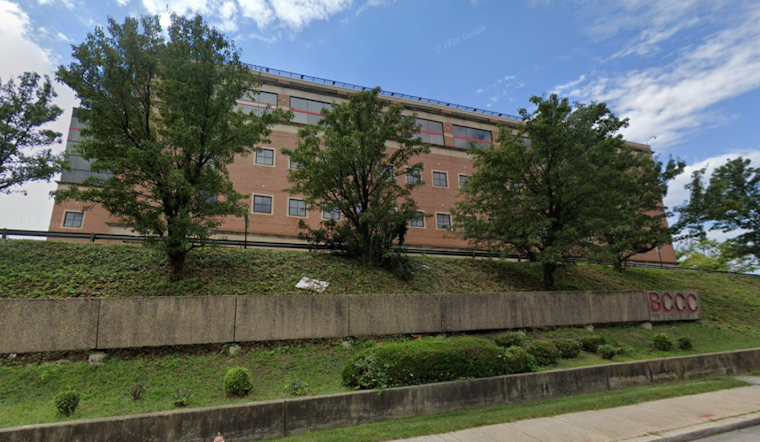
A new legislative audit says Baltimore City Community College sent roughly $264,000 in federal financial aid to 145 students auditors believe did not actually exist. The same review flagged serious payroll and record-keeping problems, including payments to five former employees and at least one person who lingered on the payroll for 1,526 days after leaving, prompting the college to pledge reforms.
According to WMAR-2 News, the audit concludes that BCCC awarded about $264,000 in financial aid to 145 students the auditors believe were not legitimate. The report details how automated programs can mass-apply, spin up fake accounts and submit just enough token coursework to look enrolled long enough for financial aid payments to hit.
‘Ghost Students’ Are Not Just Baltimore’s Problem
This is not a one-off local glitch. Reporting from around the country shows community colleges wrestling with so-called ghost students that soak up classroom seats and siphon off financial aid meant for real learners. SFGATE has documented hundreds of thousands of suspicious applications at California community colleges and millions of dollars lost to similar schemes, context that helps explain why auditors zeroed in on BCCC’s identity and enrollment controls.
BCCC Pledges Tighter Controls After Payroll Misfires
In its official response, the college agreed with the audit’s findings and said it is rolling out stronger safeguards. The audit summary notes BCCC is creating a centralized tracking process for flagged accounts and layering in both system and manual holds on financial aid so money is not released until a student’s identity and eligibility are confirmed.
WMAR-2 News reports that auditors also found payroll systems badly out of tune: five former employees were paid about $29,000 after they left the college, and at least one person stayed on BCCC’s payroll for 1,526 days after their departure.
Old Problems Resurface, Raising Oversight Concerns
The Office of Legislative Audits has reviewed BCCC before, and the latest report says a majority of the newest issues repeat findings from earlier audits that were never fully addressed. Past OLA reports and Department of Legislative Services records describe prior examinations of BCCC’s financial controls, adding heft to current calls for closer, longer-term oversight. Maryland Department of Legislative Services records show the college has been the subject of multiple compliance audits in recent years.
Federal Dollars on the Line
Because the aid at issue is largely federal Title IV money, BCCC could be required to pay some of it back and may draw additional scrutiny from state or federal officials. Maryland law gives the Higher Education Commission and other state entities tools to withhold or claw back aid when audit findings are left unresolved; the Maryland General Assembly spells out those remedies in statute.
BCCC says it plans to coordinate with the Attorney General’s Office, the U.S. Department of Education and the Maryland Higher Education Commission while suspected fraud cases are reviewed for potential referral to the Department of Education’s Office of Inspector General.





