

























































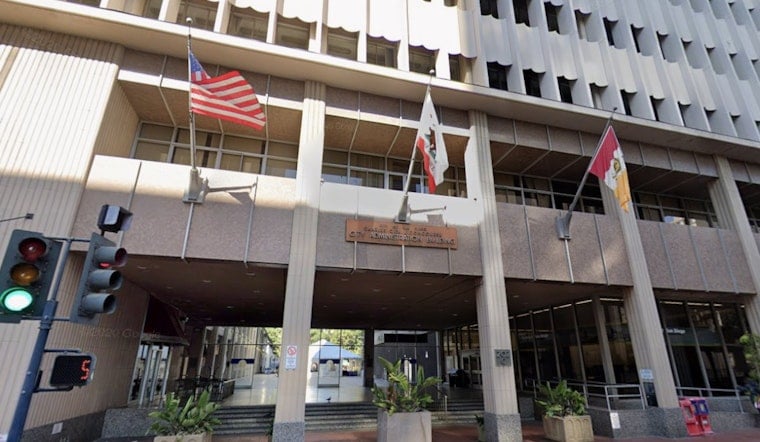
San Diego’s long-running trash fight crashed into the Balboa Park parking controversy yesterday, as the City Council spent hours dissecting a settlement that trims future garbage bills for single-family homeowners and unwinds paid parking in the city’s flagship park. The carefully stitched-together deal is designed to shut down a high-profile lawsuit and a ballot campaign that city officials warned could blow a sizable hole in the budget.
What the settlement does
The agreement commits the city to end paid parking in Balboa Park by Jan. 1, 2027, and to reduce certain solid-waste fees for single-family homes.
According to the City of San Diego, the largest 95-gallon trash bundle is set to drop to $38.75 on July 1, 2027, and to $39.91 on July 1, 2028. A separate City of San Diego page for Balboa Park lays out how and when paid parking will be rolled back and how refunds for existing passes will be handled.
How the fight reached this point
The legal battle began after voters approved Measure B, which allowed the city to start charging single-family homes for trash service. Homeowners sued, arguing the new fees violated Proposition 218 by exceeding the actual cost of service.
Trial kicked off in mid-May after a judge refused to toss the case. Plaintiffs argued the city padded its customer counts and inflated its cost projections to justify higher fees. As KPBS reported, those courtroom fireworks pushed both sides into closed-door talks that ultimately produced the settlement now in front of the council.
Budget tradeoffs
City officials are not sugarcoating the fiscal hit. They say the compromise slices into projected revenue and forces tough choices elsewhere in next year’s budget.
Axios reported the city is bracing for about a $2 million loss in the coming fiscal year and roughly $14 million over the following two years from the combined trash-fee reductions and Balboa Park parking changes. Around $10 million of that is tied to lower trash fees, with about $4 million tied to ending paid parking. Staff warned that some services could be scaled back or delayed to close the gap.
Council discussion this week
During this week’s public meeting, councilmembers drilled into the details: when refunds would actually land, how billing cycles would be adjusted, and the exact point at which the lower trash rates would show up on homeowners’ bills.
Video from NBC 7 San Diego shows members pressing staff for clearer cost estimates and a tighter implementation timeline as final budget votes loom. The message from the dais was blunt: no surprises, and no vague promises.
Local impacts
Balboa Park institutions and nearby small businesses told the council they have already felt the sting from paid parking. They said the meters discouraged visits and sapped revenue, turning what was supposed to be a money-maker for the city into a headache for the park’s cultural core.
According to 10News, the Balboa Park Cultural Partnership reported museum attendance had dropped since paid parking was introduced, with some institutions seeing declines in the double digits.
Legal implications
In exchange for the policy rollbacks, the settlement requires the homeowner plaintiffs and allied groups to abandon their court challenge and withdraw their ballot effort to repeal the trash fee changes.
As KPBS reported, city leaders crafted the deal to avoid the risk of either an expensive courtroom loss or a voter revolt at the ballot box. The agreement, however, leaves lingering questions about how future cost-of-service studies will be conducted and how transparently the city will disclose its assumptions to the public.
What happens next
City staff now have to turn the broad strokes of the settlement into detailed budget language, implementation orders, and a schedule for rate changes, proration and refunds as the council locks in its fiscal year plan.
Councilmembers said they expect staff to return with firmer cost breakdowns and timing options before the budget is adopted later this month. For San Diegans, that means weighing a deal that trades legal uncertainty for fresh financial strain, all while the city tries to keep trash picked up and Balboa Park inviting without blowing its books.





