

























































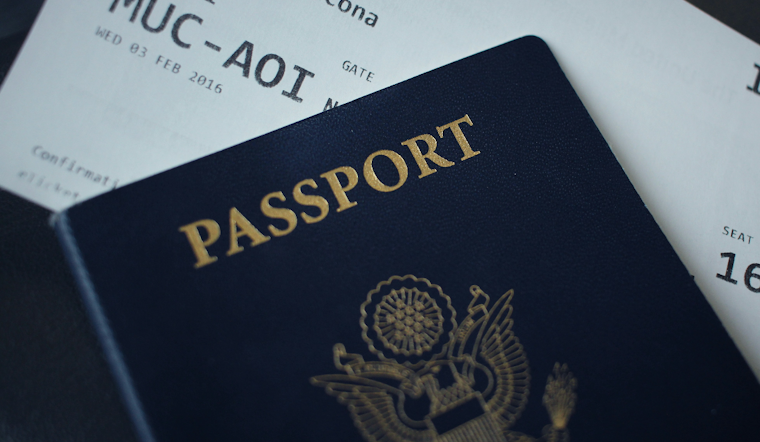
Dulce Diaz Morales, a Maryland-born woman who spent weeks fighting federal immigration officials over her right to remain in the country, has finally received a U.S. passport, her attorneys say. The development comes after the Department of Homeland Security moved to dismiss removal proceedings against her, although the case was closed “without prejudice,” a technical label that still leaves the door open for the government to try again later.
Federal Filing And A Long-Awaited Passport
According to WMAR2 News, attorneys at Sanabria & Associates said the Department of Homeland Security asked the Executive Office for Immigration Review on May 27 to dismiss its case against Diaz Morales. Shortly after that filing, they say, she received her U.S. passport.
Gunther Sanabria, president of Sanabria & Associates, called the move a win with a big asterisk. He said the “without prejudice” dismissal indicates the government believes it can resume proceedings against Diaz Morales at any time and argued it leaves major questions unanswered about how federal authorities are handling claims of U.S. citizenship.
From Traffic Stop To Detention Cell
Dulce Consuelo Diaz Morales was arrested by ICE after a traffic stop in Baltimore on Dec. 14, 2025, then transferred through several detention facilities before being released on Jan. 7, 2026, her lawyers say. During that time, her legal team scrambled to prove what she had always maintained: that she is a U.S. citizen.
According to The Washington Post, her attorneys submitted a Maryland birth certificate, immunization records, hospital documentation, and even a medical analysis from a Johns Hopkins physician. They argued that, taken together, the records firmly backed up her claim of citizenship.
What “Without Prejudice” Really Means
On paper, a dismissed removal case might sound like the end of the story. Attorneys are quick to point out that the “without prejudice” label tells a different tale. It means DHS could move to reopen proceedings in the future, which Sanabria has described as deeply troubling.
He told WMAR2 News that “this case has loudly proven that you are only legal until the government says otherwise,” and his office has characterized the passport as powerful evidence but not a guarantee that enforcement efforts are over. Immigration lawyers note that removal proceedings do not erase citizenship status, yet bureaucratic confusion and identity disputes can still leave people in legal limbo even when they possess official records.
Why Baltimore Is Watching This Case
Local advocates and civil rights attorneys say Diaz Morales’ ordeal highlights broader fears about interior immigration enforcement and the possibility that U.S. citizens, particularly those who have lived abroad and never obtained passports, could be pulled into the deportation system.
The Washington Post noted reporting by ProPublica that documented dozens of cases in which U.S. citizens were detained during periods of intensified immigration enforcement. Lawyers say they will be watching closely to see whether DHS ever moves to revive Diaz Morales’ case and are using her experience to press for clearer, more reliable safeguards around how authorities verify citizenship, so others are not left trying to prove their status from behind bars.





